
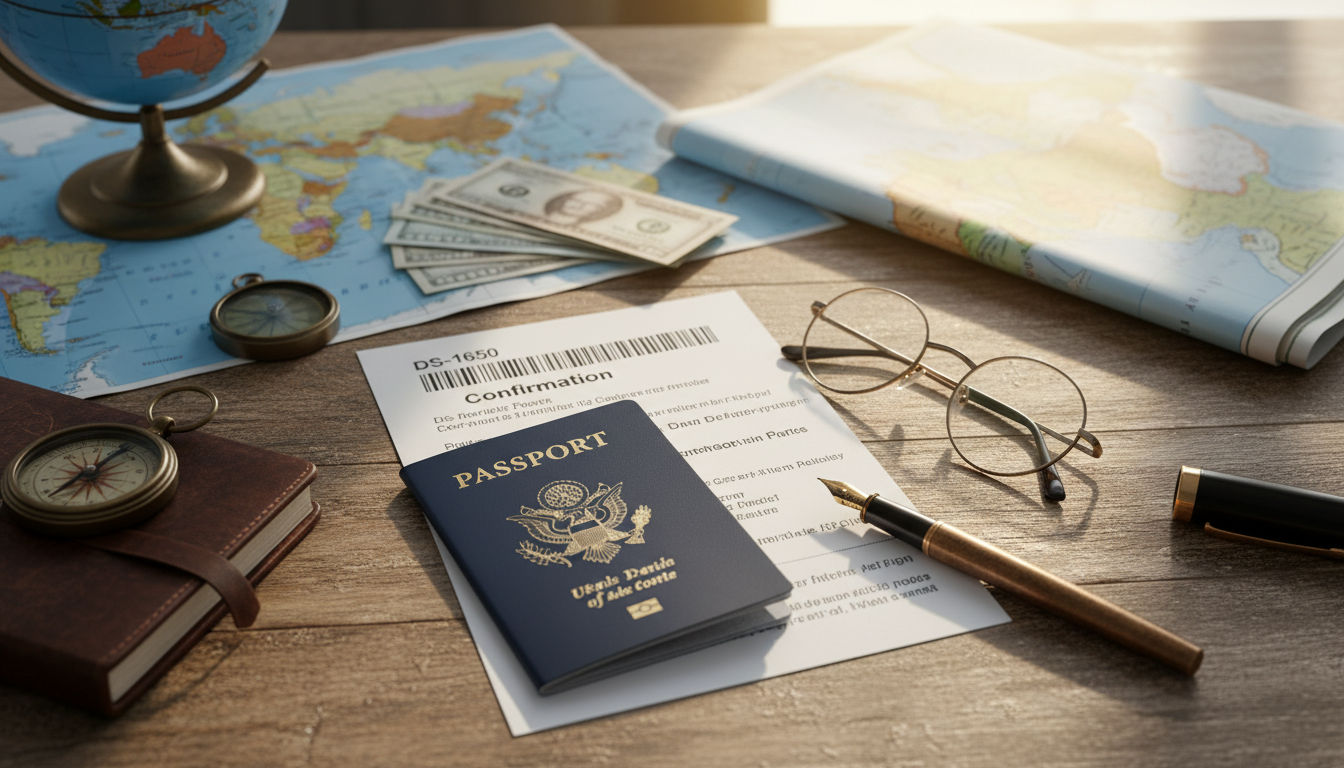
This comprehensive B1/B2 tourist visa guide is your essential roadmap to navigating the complex United States immigration system and making your travel dreams a reality. For millions around the globe, visiting the United States is a lifelong ambition, whether it’s to marvel at the Grand Canyon, walk the streets of New York City, or attend a crucial business conference. However, the path to obtaining that stamp in your passport can feel like navigating a labyrinth without a map. As a Senior Travel Journalist who has guided countless travelers through this process, I am here to demystify the bureaucracy and provide you with actionable strategies to maximize your chances of approval.
Understanding the B1/B2 Visa Classifications
Before diving into the paperwork, it is vital to understand exactly what you are applying for. The US government offers two distinct visitor visa categories that are often combined into one stamp:
- B1 Visa (Business): Designed for travelers consulting with business associates, attending scientific, educational, professional, or business conventions/conferences, settling an estate, or negotiating contracts.
- B2 Visa (Tourism & Medical): Intended for travel that is recreational in nature, including tourism, visits with friends or relatives, medical treatment, and activities of a fraternal, social, or service nature.
Most applicants receive a combined B1/B2 visa, allowing them the flexibility to travel for both business and pleasure. Understanding this distinction is the first step in the US visa application process.
Step 1: The DS-160 Form – The Foundation of Your Application
The DS-160 (Online Nonimmigrant Visa Application) is not just a form; it is the most critical component of your application. Consular officers often make up their minds based on this form before you even say “hello” at the interview window.
Critical DS-160 Tips
Accuracy is non-negotiable. A misspelled name or an incorrect birth date can lead to immediate delays or rejection. When filling out the form, ensure that your travel history is accurate and matches the stamps in your passport. Be precise about your employment history and income, as these are key indicators of your ties to your home country.
Step 2: Scheduling Your Appointment and Paying Fees
Once your DS-160 is submitted, you must pay the US travel visa fee (currently $185, though subject to change). After the payment clears, you will schedule two appointments in most countries: one for biometrics (fingerprints and photo) and one for the actual consular interview.
Wait times can be long depending on your location. It is advisable to schedule US visa appointment slots as early as possible, ideally months before your intended travel date.
Step 3: Gathering the Documents You Absolutely Need
While the interview is brief, having a well-organized document portfolio conveys professionalism and preparedness. Do not offer documents unless asked, but have them ready to present immediately if requested.
The “Must-Have” Checklist:
- Valid Passport: Must be valid for at least six months beyond your period of stay in the US.
- DS-160 Confirmation Page: The page with the barcode.
- Appointment Confirmation Page: Proof of your scheduled interview.
- Photo: While you upload one digitally, always carry a physical hard copy meeting US requirements (2×2 inches).
The “Strong Ties” Evidence:
The burden of proof lies on you to show you will return home. To satisfy B1/B2 visa requirements, bring:
- Proof of Income: Bank statements for the last 6 months, tax returns, and pay slips.
- Employment Verification: A letter from your employer stating your position, salary, and approved leave dates.
- Property Deeds: Ownership of a home or land is a strong tie.
- Family Ties: Marriage certificates or birth certificates of children staying behind.
Step 4: Cracking the Interview Code
The interview usually lasts less than three minutes. This is the “make or break” moment. The Consular Officer assumes every applicant is an intending immigrant until proven otherwise (under Section 214(b) of the INA). Your job is to prove you are just visiting.
Common US Visa Interview Questions
Be prepared for questions such as:
- “What is the purpose of your trip?” (Be specific: “To visit the Grand Canyon” is better than “Tourism”).
- “How long do you intend to stay?” (Keep it consistent with your DS-160).
- “Who is paying for your trip?”
- “Do you have relatives in the US?” (Always tell the truth; they likely already know).
Confidence is key. Maintain eye contact, speak clearly, and answer only what is asked. Over-explaining can sometimes look suspicious.
Step 5: Safety and Logistics
Once your visa is approved—congratulations!—your preparation isn’t over. Traveling to the USA requires financial protection. Healthcare costs in the United States are the highest in the world. A simple emergency room visit can cost thousands of dollars.
It is strictly recommended to secure comprehensive coverage. You can read more about securing your trip in our detailed guide on travel insurance. This ensures that your American dream doesn’t turn into a financial nightmare due to unexpected medical issues or flight cancellations.
Common Mistakes That Lead to Rejection
Even genuine travelers get rejected. Avoid these pitfalls to increase your visa approval tips success rate:
- Vague Travel Plans: Saying you will “stay wherever” suggests you might be looking for work. Have a rough itinerary.
- Insufficient Funds: If your bank balance doesn’t cover the trip cost, you will be rejected.
- Lack of Home Ties: Young, single, unemployed applicants face the highest scrutiny.
- Lying: Never present fake documents. This leads to a permanent ban.
Conclusion: Your Journey Begins Here
Securing a US visa is a rigorous process, but with the right preparation and this B1/B2 tourist visa guide, it is entirely achievable. Focus on transparency, solid documentation of your ties to your home country, and a clear purpose of travel.
The waiting period between submission and the interview can be stressful. For those seeking spiritual peace or mental wellness during this anxious waiting time, many travelers find solace in meditation or prayer. You can find resources for mental tranquility at Wazifa Hub.