
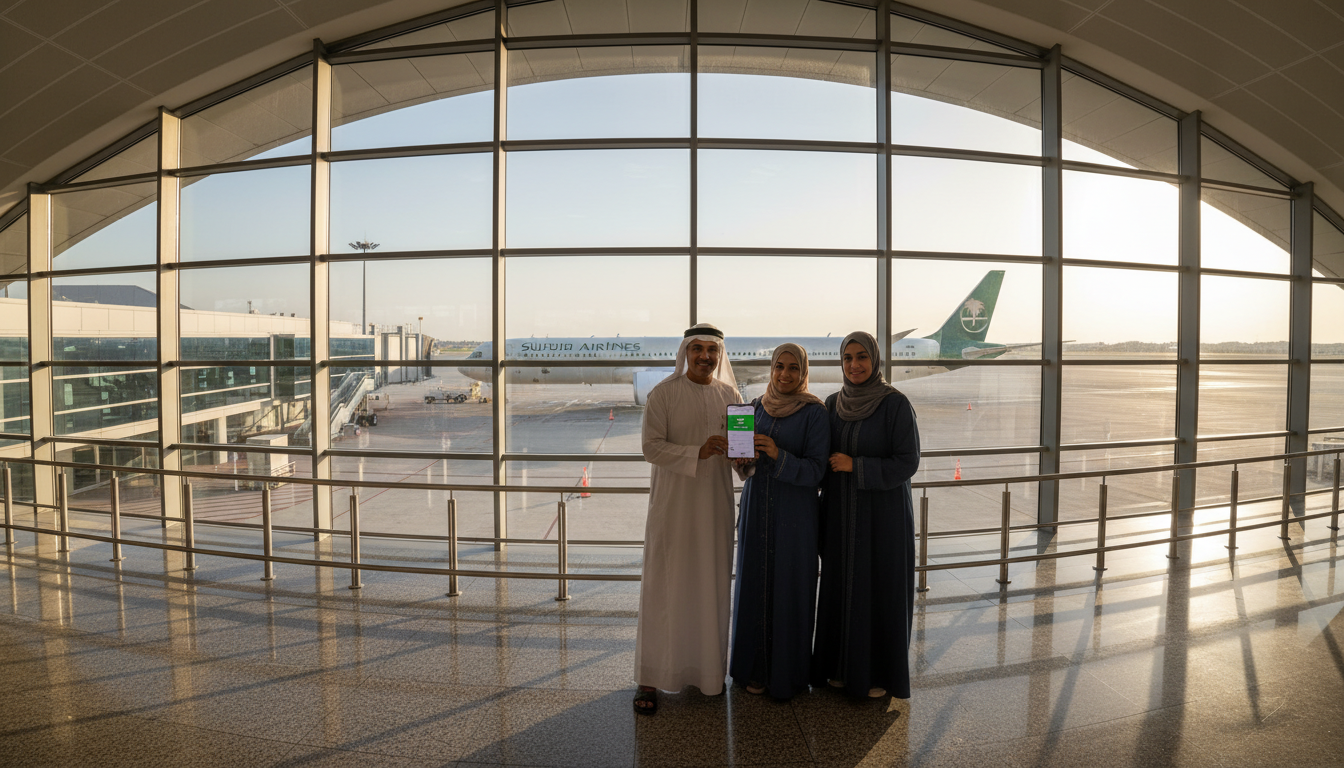
Understanding the updated Saudi visa requirements for Egyptian pilgrims 2026 is the absolute first step for anyone planning this sacred journey from Cairo to the Holy Lands. As the Kingdom of Saudi Arabia continues to digitize its religious tourism sector under Vision 2030, Egyptian nationals—one of the largest demographics of pilgrims annually—must navigate a new landscape of electronic permits, health mandates, and logistical adjustments.
The Shift to Digital: Nusuk and Unified Portals
Gone are the days of purely paper-based processing at the embassy. For the 2026 season, the Saudi Ministry of Hajj and Umrah has streamlined the process almost entirely through digital platforms. For Egyptian pilgrims, the Nusuk app (formerly Eatmarna) remains the central hub for visa issuance and permit scheduling.
The integration of the Egyptian Ministry of Interior’s administrative portal with Saudi systems ensures that quotas are managed strictly. Pilgrims must ensure their smartphone literacy is up to par, or utilize authorized travel agents who can manage these digital gateways on their behalf.
Key Visa Requirements for 2026
To secure a visa successfully, Egyptian applicants must adhere to a strict set of criteria. The Saudi authorities have tightened regulations to prevent overcrowding and ensure the safety of all guests of Allah.
1. Biometric Data Registration
One of the most critical updates regarding Saudi visa requirements for Egyptian pilgrims 2026 is the mandatory “Saudi Visa Bio” smartphone submission. Before visiting a visa center (Tasheer), applicants must register their biometrics (fingerprints and facial recognition) via the official app. This reduces wait times at Jeddah and Madinah airports significantly.
2. Passport Validity and QR Codes
- Passport Validity: Passports must be valid for at least six months from the date of intended travel.
- QR Code Verification: All issued electronic visas now come with a QR code. Egyptian airport authorities at Cairo International Airport will scan this to verify the authenticity of the pilgrimage permit before boarding.
- Barcodes: A specific barcode from the Egyptian Ministry of Tourism is often required to exit Egypt for Umrah, linking the traveler to a verified travel agency.
3. Health and Vaccination Mandates
Post-pandemic health protocols have evolved into permanent safety standards. Pilgrims must present:
- Proof of Meningitis vaccination (ACWY) taken at least 10 days before travel and not more than 3 years prior.
- Polio vaccination records may be requested at the border.
- While COVID-19 restrictions have relaxed, carrying a digital health record is highly recommended.
Financial Proof and Packages
The economic landscape of Hajj and Umrah has changed. The Saudi government now requires proof of financial solvency or a pre-paid package booking. For Egyptians, this is usually handled through the “Bawabat Al Umrah Al Masriya” (Egyptian Umrah Gateway). This system ensures that the pilgrim has booked accommodation and return transport, preventing visa overstays.
For those looking to combine spirituality with comfort, exploring different tiers of travel is essential. You can read more about high-end options in our guide to luxury travel experiences in the Middle East.
Mandatory Insurance Coverage
You cannot issue a visa without comprehensive insurance. The visa fee now includes a mandatory insurance policy that covers emergency medical treatment, hospitalization, and other travel mishaps within the Kingdom. However, given the costs of international healthcare, many travelers opt for supplemental coverage.
We strongly suggest reviewing our detailed breakdown of travel insurance to understand what is covered regarding flight cancellations or lost baggage, which are not covered by the basic Saudi mandatory policy.
Transit and Stopover Visas
For Egyptians traveling to third-party destinations (like the USA or Europe) via Saudi Airlines (Saudia) or Flynas, the 96-hour Stopover Visa is a fantastic option. This allows travelers to perform a quick Umrah without the full costs of a dedicated Umrah visa. This is particularly popular for the Egyptian diaspora returning home or heading abroad.
Conclusion: Preparation is Key
The Saudi visa requirements for Egyptian pilgrims 2026 are designed to facilitate a smoother, safer, and more spiritual experience. By adhering to the biometric rules, utilizing the Nusuk app, and ensuring all health mandates are met, pilgrims can focus on what truly matters: their worship.
The journey to Makkah is physically and emotionally demanding. To ensure you are mentally prepared for this profound spiritual undertaking, you may find resources on spiritual peace and mental wellness helpful at Wazifa Hub.
“`
***
### SECTION 3: IMAGE PROMPT
**Scene Description:**
A cinematic, high-resolution wide shot inside a modern, sunlit terminal at Cairo International Airport. In the foreground, an Egyptian family (a father in white Ihram robes and a mother in a modest abaya) is smiling while holding up a smartphone displaying the “Nusuk” app interface with a green “Approved” checkmark. In the background, a large glass window reveals a Saudi Airlines plane on the tarmac. The lighting is golden and warm, symbolizing hope and spiritual journey. The image should look photorealistic, capturing the blend of modern technology and ancient tradition.
**Aspect Ratio:** 16:9