
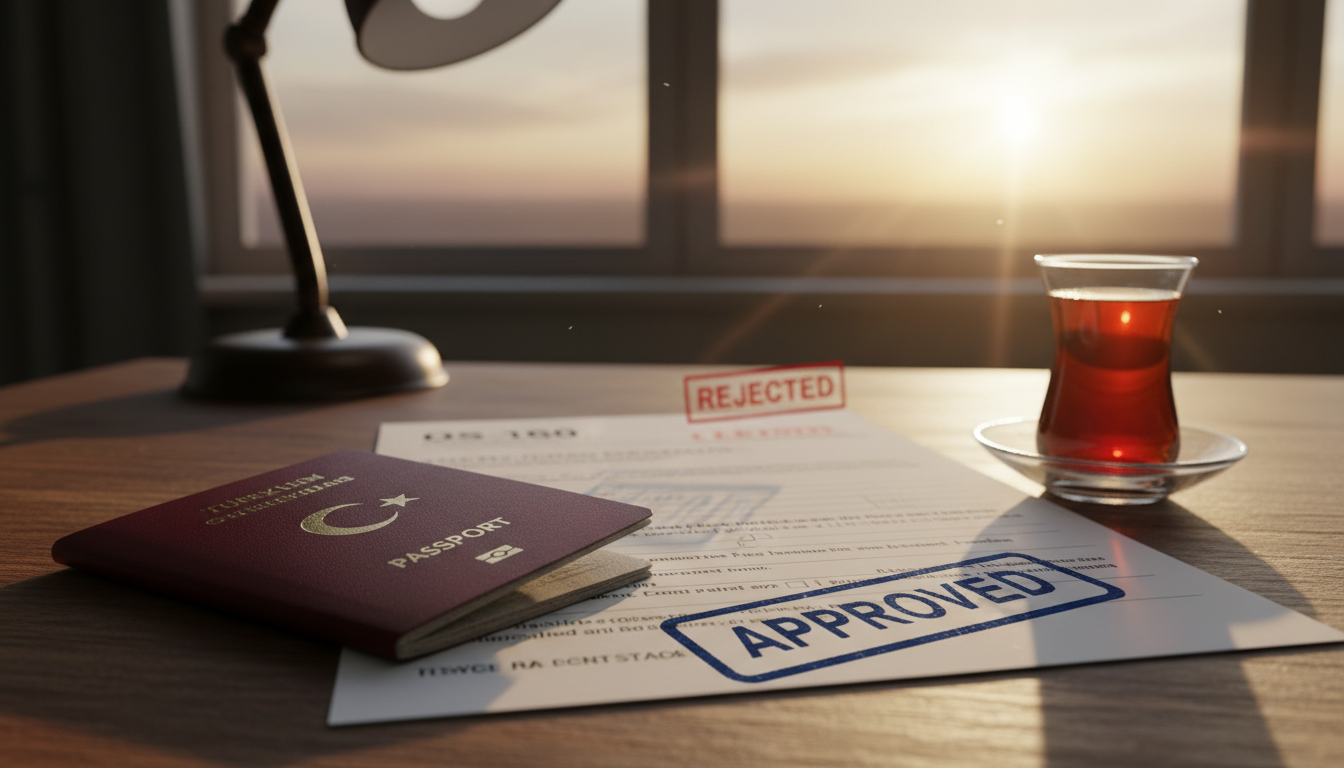
Turkish citizens denied US visas is a headline and a reality that thousands of hopeful travelers from Istanbul to Ankara are facing with increasing frequency as we head into 2026. The United States remains a top destination for tourism, business, and education, yet the approval rate for the coveted B1/B2 visa has seen fluctuating trends due to geopolitical shifts and stricter immigration policies. If you are a Turkish passport holder planning a trip to New York or California, understanding the specific pitfalls of the application process is not just helpful—it is critical for your success.
The U.S. Department of State adjudicates visas based on a presumption of immigrant intent. This means the burden of proof lies entirely on you to convince the consular officer that you will return to Turkey. In this comprehensive guide, we will dissect the seven most shocking reasons for rejections and provide actionable strategies to turn a potential denial into an approval.
1. The Dreaded Section 214(b): Failure to Prove Strong Ties
The most common reason for rejection, stamped on thousands of refusal letters, is Section 214(b) of the Immigration and Nationality Act. In simple terms, this means the officer believes you do not have strong enough reasons to return to Turkey after your trip.
In the economic climate of 2026, consular officers are hyper-vigilant. If you are young, single, recently graduated, or unemployed, you fit a “high-risk” profile. The officer suspects that once you land in the US, you might stay indefinitely to work illegally.
How to Fix It:
You must document your “anchors” to Turkey. This is not just about saying you will return; it is about proving you must return.
- Employment: Bring a signed letter from your employer stating your role, salary, tenure, and approved leave dates.
- Property: Deeds to a house, apartment, or land in your name.
- Family: Birth certificates of children or marriage certificates that show you have dependents waiting for you in Turkey.
2. Inconsistencies in the DS-160 Form
Many applicants treat the DS-160 form as a mere formality, but it is actually the most important document in your application. A shocking number of Turkish citizens are denied because the answers given during the interview do not match the information submitted in the DS-160.
For example, if your DS-160 says you are staying for two weeks, but in the interview, you mention wanting to stay for three months to help an aunt with a new baby, you will be denied for inconsistency and potential dishonesty.
The Fix:
Review your DS-160 printout before your interview. Memorize the dates, the address where you will stay in the US, and your job description exactly as you wrote it. Consistency creates credibility.
3. Insufficient Financial Means (The Inflation Factor)
Given the economic fluctuations involving the Turkish Lira, US consular officers scrutinize bank statements more than ever. They want to ensure you can afford the high cost of travel in the USA without resorting to unauthorized employment.
Having a sudden, large deposit in your bank account a week before the interview is a major red flag. This looks like “borrowed money” used to inflate your financial status artificially.
The Fix:
Show a consistent transaction history over the last six months. If your salary is deposited into a specific account, bring those statements. If you are being sponsored, ensure the Affidavit of Support (Form I-134) is legitimate and backed by tax returns from the sponsor.
Furthermore, demonstrating that you are a responsible traveler is key. While not a visa requirement, showing you have considered contingencies like comprehensive travel insurance can sometimes demonstrate to officers that you are a prepared and financially responsible tourist who won’t become a public charge.
4. Previous Travel History (The “Blank Passport” Syndrome)
If you have never traveled outside of Turkey, applying for a US visa as your first international trip can be viewed with suspicion. The US is an expensive and distant destination; usually, genuine tourists visit neighboring countries or Europe (Schengen zone) before attempting a trans-Atlantic trip.
The Fix:
If you have a blank passport, consider traveling to visa-free countries or applying for a Schengen visa first. Building a history of compliant travel—where you visited a country and returned on time—establishes trust.
5. Suspicious Social Media Footprint
Since the implementation of social media screening in visa applications, your digital footprint matters. If your public profiles show you following pages about “Working illegally in the USA,” “Asylum in America,” or if you have posted anti-American sentiment, your application could be flagged.
Security checks are rigorous. In 2026, automated systems scan for keywords and associations that might indicate a security risk or immigrant intent.
6. Vague or “Open-Ended” Itineraries
When an officer asks, “What will you do in the USA?” answering with “I don’t know, just look around” is a fast track to rejection. While you should not buy flight tickets before getting the visa, you must have a clear plan.
A vague plan suggests you don’t really know why you are going, or worse, that you are going to look for work. Specificity equals legitimacy.
The Fix:
Create a tentative day-by-day itinerary. For example: “I plan to visit the Metropolitan Museum in New York on Day 2, travel to Washington D.C. via Amtrak on Day 5 to see the Lincoln Memorial, and fly back from Dulles Airport on Day 10.”
7. The “Anchor Relative” Problem
Having close relatives in the US (parents, siblings, fiance) can be a double-edged sword. While it gives you a reason to visit, it also gives you a reason to stay. If an officer believes your ties to your family in the US are stronger than your ties to Turkey, you will be denied.
This is particularly true if your relative in the US adjusted their status from a tourist visa to a Green Card holder previously. The officer might suspect you intend to follow the same path.
The Fix:
Be honest about your relatives but emphasize your life in Turkey. If visiting a relative, bring an invitation letter, but spend more time in the interview talking about your job in Istanbul than your cousin in Chicago.
Conclusion: Preparation is Your Best Defense
Getting a US visa as a Turkish citizen in 2026 is challenging, but certainly not impossible. The key is to view the application through the eyes of the consular officer. They are trained to be skeptical. Your job is to provide clear, consistent, and documented evidence that dissolves that skepticism.
Avoid using “visa consultants” who promise 100% success rates or suggest lying on your application; this can lead to a permanent ban. Stick to the truth, prepare your documents, and approach the interview with confidence.
The visa process can be incredibly stressful, leading to anxiety and sleepless nights. For those seeking spiritual peace and mental clarity during this high-stakes process, many applicants find comfort in grounding practices. You can explore resources for spiritual wellness and mental peace at Wazifa Hub.