
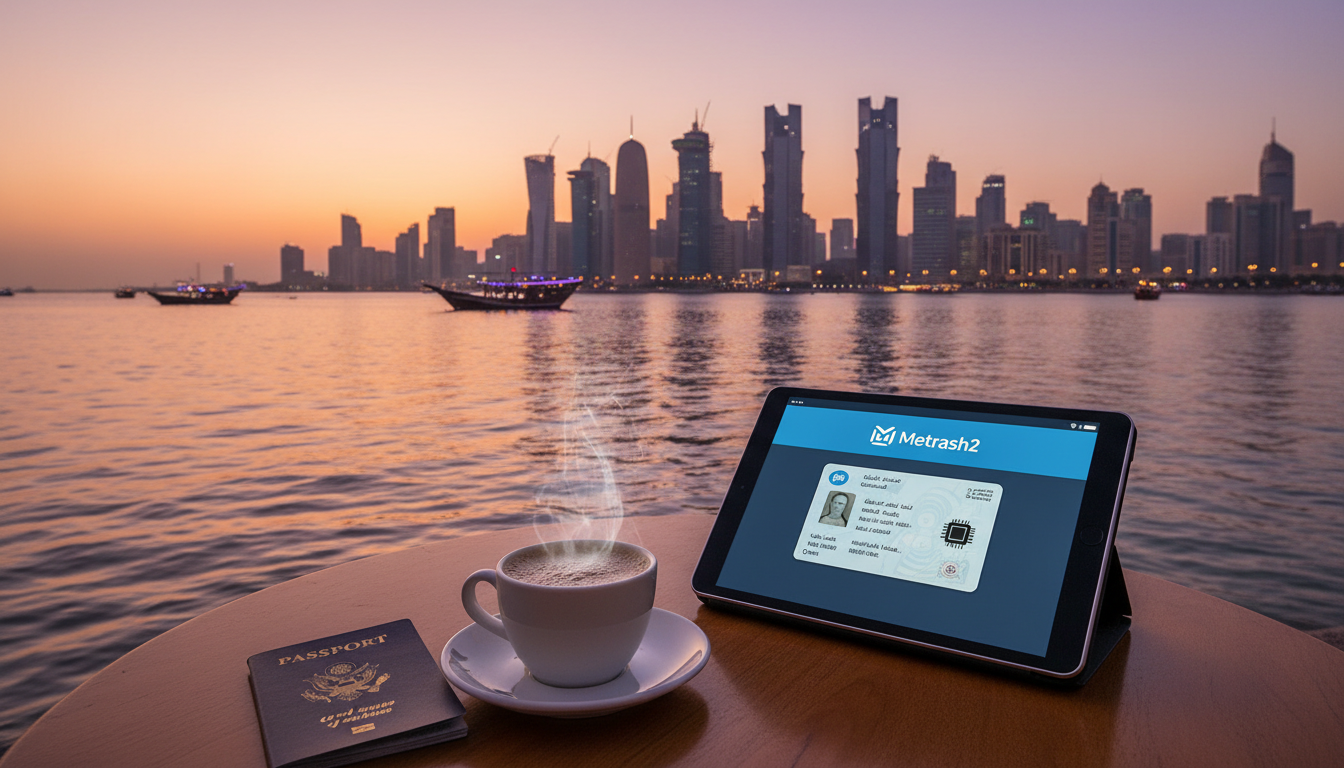
If you are planning a life-changing relocation to the Middle East, this Qatar Residency Guide 2026 is the only resource you will need to navigate the complex bureaucracy of the Gulf. With its gleaming skyline, tax-free salaries, and post-World Cup infrastructure, Doha has become a magnet for American expats and global professionals seeking a luxurious lifestyle. However, transitioning from a tourist visa to a permanent Qatar ID (QID) requires precision, patience, and the right paperwork. Whether you are moving for a corporate executive role or investing in property, securing your legal status is the first hurdle to clearing your path to a new life in the desert.
Why Move to Qatar in 2026?
Qatar has evolved rapidly over the last decade. By 2026, the nation’s “National Vision 2030” will be in full swing, emphasizing sustainability, digital transformation, and high-end tourism. For US citizens, the appeal is obvious: high safety standards, world-class healthcare, and an income free from local income tax. However, unlike the digital nomad waves in Europe, Qatar’s system is rigid. Understanding the specific visa pathways is crucial before you book your one-way ticket.
1. The Work Residence Permit (The Standard Route)
For 90% of expats, residency is tied to employment. In Qatar, your employer acts as your “sponsor” (Kafeel). This system has reformed significantly in recent years, allowing for more job mobility, but the initial entry process remains strict.
Pre-Departure Checklist (USA Specific)
Before you leave the United States, you must gather documents. The most common mistake Americans make is arriving in Doha with unverified documents. You cannot simply show your diploma; it must go through a rigorous chain of authentication:
- Notarization: Get your University Degree and FBI Background Check notarized locally.
- State Authentication: Send them to your Secretary of State.
- US Department of State: Authenticate them in Washington, D.C.
- Qatar Embassy: Finally, get the stamp from the Qatar Embassy in Washington or the Consulate in Houston/NYC.
Arrival and Medicals
Once you land in Doha on a single-entry work visa, the clock starts ticking. You usually have 30 days to convert this into a Residence Permit. Your company’s PRO (Public Relations Officer) will take you to the Medical Commission. Here, you will undergo a blood test (screening for HIV and Hepatitis) and a chest X-ray (screening for TB). Passing this is mandatory for the Qatar Residency Guide 2026 process.
2. Real Estate Residency: The “Golden” Ticket
If you are not employed by a Qatari company but have capital, Qatar offers a residency tier based on property investment. This is increasingly popular for retirees or entrepreneurs.
Tier 1: $200,000 Investment
Investing roughly QAR 730,000 ($200,000) in designated freehold zones like The Pearl-Qatar or Lusail City grants you residency for the duration of your ownership. You do not need a sponsor, but you must renew your card regularly.
Tier 2: $1 Million Investment (Permanent Residency Benefits)
Investing QAR 3,650,000 ($1M) grants you permanent residency benefits, including free healthcare and education in government institutions—a massive perk for families.
For those exploring investment visas or freelance options elsewhere, you might also want to compare this with the digital nomad visa options available in other jurisdictions to see which financial commitment suits your lifestyle best.
3. Family Sponsorship: Bringing Your Dependents
Once you have your QID, you can sponsor your spouse and children. To do this in 2026, you generally need:
- A salary of at least QAR 10,000 (approx. $2,750) per month.
- Attested marriage and birth certificates.
- A tenancy contract attested by the municipality (Muncipality Attestation).
Family members will also undergo medical testing (except young children). Note that sons can usually only be sponsored up to age 25, while unmarried daughters have no age limit.
4. Navigating Bureaucracy: The Metrash2 App
The unsung hero of expat life in Doha is the Metrash2 mobile application. The Ministry of Interior (MOI) has digitized almost every service. Once your QID is issued:
- Download Metrash2.
- Register using your QID and mobile number (must be under your name).
- Use the app to renew visas, pay traffic fines, apply for family visits, and even handle vehicle registration.
This digital infrastructure is world-class and eliminates the need to visit government offices for routine tasks.
5. Cost of Living Considerations in 2026
While salaries are tax-free, Doha is not cheap. Rent will be your biggest expense.
- Housing: A 2-bedroom apartment in The Pearl can range from QAR 12,000 to QAR 18,000 per month. More affordable options exist in Al Sadd or Bin Omran (QAR 6,000 – 9,000).
- Education: American and British curriculum schools are expensive, often costing QAR 40,000 to QAR 80,000 per child per year.
- Transport: Cars are affordable, and fuel is cheap compared to the US. The Doha Metro is efficient for commuting to West Bay.
Common Pitfalls to Avoid
The Alcohol License: Alcohol is legal but strictly regulated. You cannot bring it in your luggage. Once you have a QID, you can apply for a license to buy from the Qatar Distribution Company (QDC), the sole retail outlet.
Exit Permits: While exit permits were abolished for most workers, certain “essential” employees still require them. Clarify your status with your HR department immediately upon hiring.
Final Thoughts on Your Move
Moving to Doha is an adventure that blends traditional Arabian hospitality with futuristic ambition. By following this Qatar Residency Guide 2026, you ensure that your transition is smooth, legal, and stress-free. The key is preparation—getting your documents attested in the US before you board that plane saves months of headaches later.
Relocating to a new continent can be mentally taxing. If you are seeking spiritual peace and mental wellness techniques to stay grounded during this major life transition, explore resources that help maintain your inner balance.