
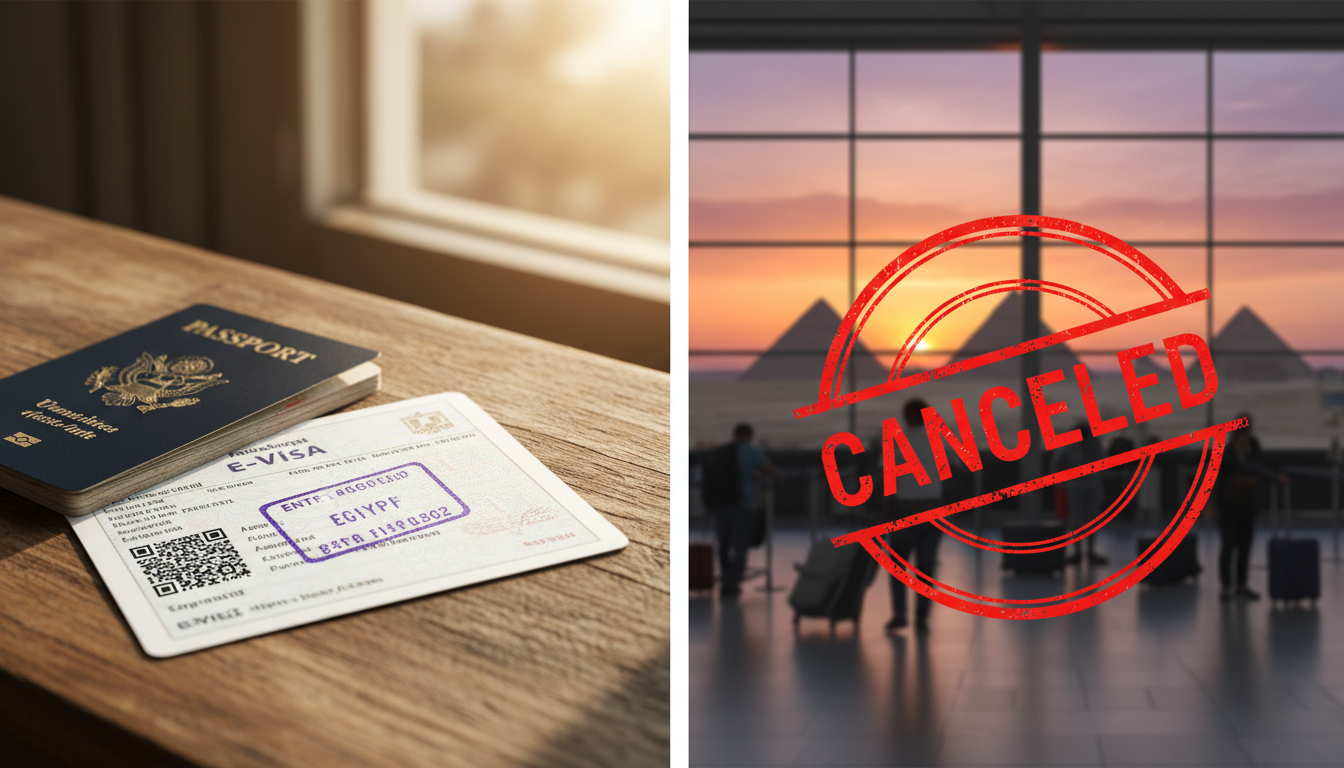
Making Egypt visa mistakes 2026 is the fastest way to turn your dream vacation to the Land of the Pharaohs into a bureaucratic nightmare. As travel regulations evolve globally, Egypt has implemented stricter digital protocols and entry requirements that catch thousands of American tourists off guard every single year. Whether you are planning a luxury cruise down the Nile or a backpacking adventure through Giza, understanding the nuances of the 2026 immigration landscape is critical.
From the perils of scam websites to the often-overlooked passport validity rules, a single oversight can result in denied boarding or deportation upon arrival at Cairo International Airport. In this guide, we break down the most critical errors travelers make and how you can navigate the process like a pro.
1. Assuming “Visa on Arrival” is Always a Guarantee
For years, the “Visa on Arrival” (VOA) was the go-to method for US citizens entering Egypt. You would simply land, find the bank kiosk before passport control, pay $25 USD, and get a sticker. However, relying solely on this method in 2026 is a gamble.
While VOA is still technically available for many nationalities, the queues at Cairo and Hurghada airports have become notoriously long due to increased tourism traffic. Furthermore, immigration officers are increasingly scrutinizing travelers without pre-approved documentation. If their system goes down—which happens more often than you’d think—you are stuck in limbo.
2. Falling for “Official” E-Visa Scam Sites
One of the most shocking traps for travelers is the proliferation of third-party visa agencies posing as the official Egyptian government portal. These sites often pay for ads to appear at the top of Google search results.
If you use these sites, two things usually happen:
- You pay 300% to 500% more than the actual visa fee (which is usually around $25 USD).
- Your application is delayed because a middleman is manually processing it.
Always ensure you are on the official government domain (usually ending in .gov.eg) before entering credit card details.
3. Ignoring the Strict 6-Month Passport Rule
This is the most common reason for denied boarding at US airports before you even reach Egypt. Your passport must be valid for at least six months beyond your intended date of entry.
If your passport expires in five months and two weeks, the airline will not let you on the plane. This rule is non-negotiable. Many travelers confuse “valid during stay” with the “6-month validity rule,” leading to heartbreaking cancellations at the check-in counter.
4. Neglecting Mandatory Travel Insurance
In the post-pandemic travel era, Egypt has tightened its requirements regarding health coverage. While not always checked for every single tourist, immigration officers have the right to ask for proof of valid medical insurance that covers the duration of your stay.
Failing to produce this document can lead to entry delays or forced purchase of expensive local insurance. If you are planning a high-end trip, ensure you check out our guide on comprehensive travel insurance to protect your investment and health.
5. Bringing the Wrong Currency for Cash Payments
If you do decide to opt for the Visa on Arrival, or if you need to pay fines or fees at the airport, you must know that Egypt prefers cash, and specifically, crisp US Dollars or Euros.
A common mistake is bringing:
- Old, torn, or marked bills (which are often rejected by Egyptian banks).
- Credit cards only (terminals frequently malfunction).
- Traveler’s checks (almost obsolete in Egypt).
Always carry at least $100 in small, crisp denominations for visa fees and initial tips (baksheesh).
6. Overlooking the Digital Nomad Options
Are you planning to stay longer than the standard 30-day tourist visa allows? Many remote workers make the mistake of entering on a standard tourist visa with the intent to work, only to run into legal trouble or banking issues later.
Egypt has been modernizing its visa categories. If you work remotely, you should investigate if you qualify for long-term stay permits rather than risking overstay fines on a tourist visa. For those looking to work while they travel, read more about Digital Nomad Visa opportunities globally.
7. Forgetting to Print Physical Copies
We live in a digital world, but Egyptian bureaucracy still loves paper. Relying entirely on a PDF on your phone is a massive risk. If your battery dies, or if the officer demands a physical copy for their files (which is standard procedure), you will be sent to the back of the line or directed to a print shop in the terminal that charges exorbitant rates.
Your Pre-Flight Checklist:
- Print 2 copies of your e-Visa approval.
- Print 2 copies of your flight itinerary (return ticket is often required).
- Print 2 copies of your hotel booking confirmation.
Conclusion
Visiting Egypt is a life-changing experience, filled with history, culture, and breathtaking sights. By avoiding these Egypt visa mistakes 2026, you ensure that your memories are filled with the majesty of the Sphinx rather than the fluorescent lights of an immigration holding room. Plan ahead, double-check your documents, and travel smart.
Travel planning can be stressful, and ensuring your mental well-being is just as important as your physical documents. If you are feeling anxious about your upcoming journey or seeking spiritual peace before your trip, visit Wazifa Hub for resources on mental wellness and spiritual tranquility.