
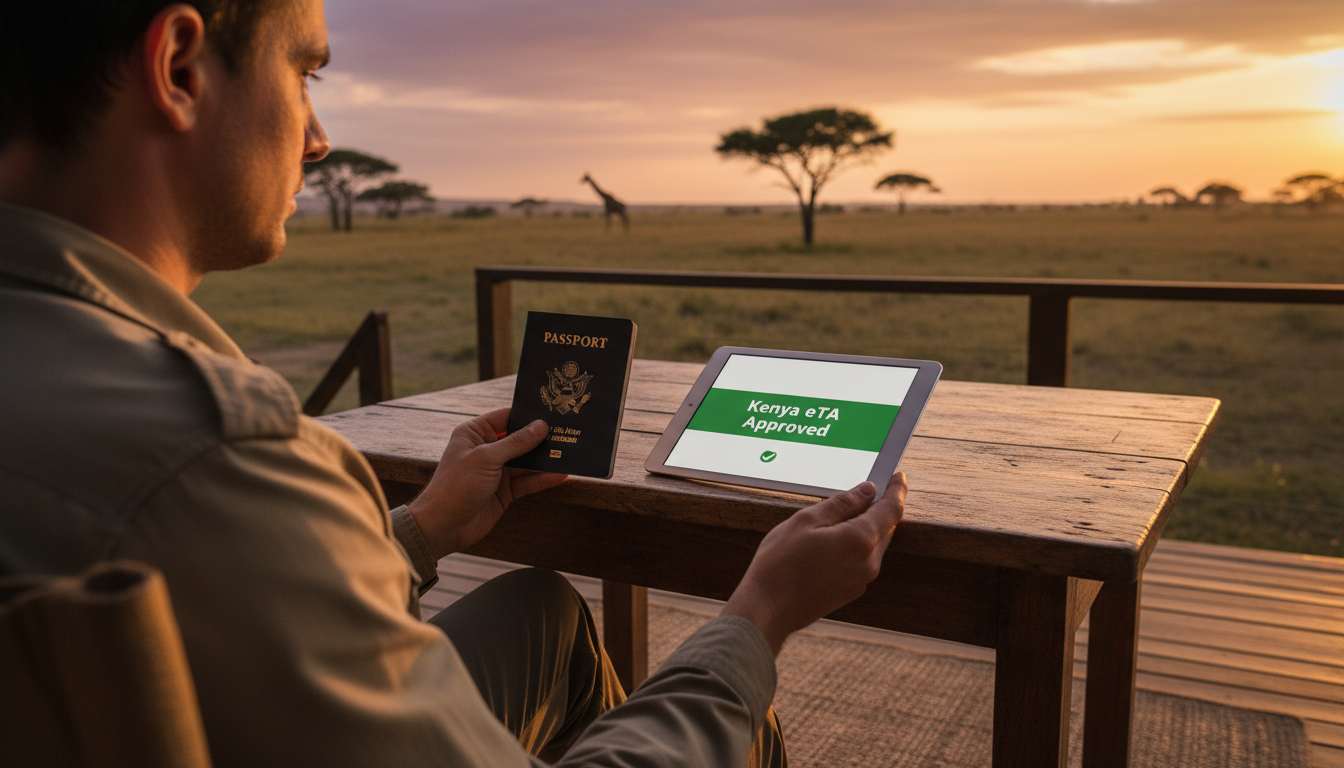
If you are planning a safari adventure soon, understanding the current status of the Kenya Visa on Arrival for US Citizens is absolutely critical to avoid being turned away at the airport. The travel landscape in East Africa has undergone a massive digital transformation, and relying on outdated guidebooks or old blog posts could cost you your vacation.
For decades, American travelers enjoyed the flexibility of landing in Nairobi or Mombasa and purchasing a visa right at the immigration counter. However, Kenyan immigration policy has shifted drastically to modernize border security and streamline tourism. As a Senior Travel Journalist tracking these changes for the US market, I am here to break down exactly what you need to know for travel in late 2025 and entering 2026.
The Shocking Truth: Does the Visa on Arrival Still Exist?
Let’s rip the bandage off immediately: No, the traditional physical Visa on Arrival is effectively dead.
In a historic move that began in January 2024, the Kenyan government replaced the traditional visa system with a mandatory Electronic Travel Authorisation (eTA). While the government technically markets Kenya as a “Visa-Free” country, this is slightly misleading for US travelers. You do not need a “visa,” but you must pay for and obtain an eTA before you board your flight.
Airlines are strictly enforcing this rule. If you arrive at JFK, O’Hare, or LAX without an approved Kenyan eTA, you will likely be denied boarding. There is no infrastructure to process this authorization upon landing at Jomo Kenyatta International Airport (NBO).
How to Navigate the New Kenya eTA System
Since the Kenya Visa on Arrival for US Citizens is no longer an option, you must master the eTA portal. The system is designed to be faster, but it requires preparation.
1. When to Apply
You should apply for your eTA at least 3 days before travel, though I highly recommend doing it 2 weeks in advance. The system is automated, but manual reviews do happen. If your application gets flagged for a security check, you don’t want to be sweating it out the night before your flight.
2. The Cost
As of the 2026 travel season, the standard processing fee for the eTA is approximately $30 to $35 USD per traveler. This is significantly cheaper than the old $50 single-entry visa, which is a rare win for travelers. However, keep in mind that this fee is non-refundable, even if your authorization is denied.
3. Required Documents
To successfully bypass the need for a Kenya Visa on Arrival for US Citizens, ensure you have digital copies of the following ready to upload:
- Valid US Passport: Must have at least six months of validity remaining from the date of arrival.
- Passport Photo: A clear, recent selfie or passport-style photo.
- Contact Information: Your email and phone number.
- Itinerary Information: Flight details and confirmation of accommodation (hotel booking or safari lodge reservation).
Common Mistakes US Travelers Make
Transitioning from a physical visa to a digital system often leads to errors. Here are the pitfalls to avoid:
Typographical Errors
The number one reason for eTA rejection is a mismatch between the passport number on the form and the passport scan. Double-check every digit. The system is unforgiving.
Ignoring the “Single Entry” Rule
The standard eTA is valid for a single entry within 90 days. If you plan to leave Kenya (perhaps to visit Zanzibar in Tanzania) and return to Nairobi to fly home, you generally do not need a new eTA if you are only visiting East African Partner States. However, if you fly to Dubai and come back, you will need a new authorization.
Arrival in Nairobi: What to Expect in 2026
Once you land, the experience is much smoother than the chaotic lines of the past. Since you no longer need to queue for a Kenya Visa on Arrival for US Citizens, you will proceed directly to the e-gates or immigration desks.
Officers will scan your passport, which is digitally linked to your approved eTA. You may be asked to show a printed copy of your eTA approval email or the QR code on your phone, so always keep a hard copy handy just in case technology fails.
Safety and Insurance for Your Safari
Kenya is a magical destination, but it is wild. From the bustling streets of Nairobi to the remote Mara plains, medical emergencies can happen. Since the government no longer covers tourists under a visa fee, personal responsibility is paramount.
Before you depart, it is essential to secure high-quality coverage. Medical evacuations from the bush can cost upwards of $50,000. For detailed advice on protecting your trip, read our guide on essential travel insurance tailored for international expeditions.
Final Thoughts: Embrace the Digital Change
While the elimination of the Kenya Visa on Arrival for US Citizens might feel like an extra hurdle of paperwork before you leave home, it actually simplifies your arrival experience. No more fumbling for crisp US dollar bills at the airport or waiting in hour-long queues while tired from a 15-hour flight.
By securing your eTA in advance, you ensure that your focus remains on the breathtaking lions, the migration, and the culture of Kenya, rather than bureaucratic red tape.
Travel preparation can be stressful, and anxiety before a big trip is normal. For resources on maintaining your spiritual peace and mental wellness during your travels, visit Wazifa Hub.