
The Afghanistan Travel Advisory 2026 remains one of the most complex, critical, and scrutinized documents for any adventurer considering a journey into the heart of Central Asia. As the geopolitical dust settles five years after the major regime shifts, Afghanistan has emerged as a controversial yet magnetic destination for extreme travelers and content creators. However, let us be unequivocally clear: this is not a destination for the faint of heart, nor is it a standard vacation spot. For United States citizens, the Department of State continues to maintain severe warnings, yet the allure of the Silk Road, the Buddhas of Bamyan, and the stunning Wakhan Corridor continues to draw a specific niche of solo travelers.
Before you even consider booking a flight to Kabul International Airport, you must strip away the romanticized version of travel vloggers and look at the hard logistics. This guide serves as a comprehensive reality check, detailing the security landscape, cultural mandates, and logistical hurdles you will face.
The Security Landscape: Is Afghanistan Safe in 2026?
The question of safety in Afghanistan is nuanced. While large-scale combat operations have significantly decreased compared to the previous decade, the risk profile has shifted rather than vanished. The Afghanistan Travel Advisory 2026 highlights that while petty crime remains relatively low due to strict local enforcement, the threat of arbitrary detention and terrorism remains high for Westerners.
Solo travelers are particularly vulnerable because they lack the buffer of a local fixer or a group. In 2026, the checkpoints are frequent, and your digital footprint is scrutinized. If you are traveling on a US passport, you are viewed through a lens of suspicion. It is imperative to understand that consular support is non-existent within the country.
Visa Requirements and Bureaucracy
Getting into Afghanistan is the first major hurdle. The visa policy in 2026 has become somewhat streamlined for tourists in an effort to bring in foreign currency, but it remains unpredictable. You cannot simply land and get a visa. You generally need to apply at an Afghan consulate in a neighboring country, such as Pakistan (Peshawar or Islamabad) or the UAE (Dubai).
The Letter of Invitation (LOI)
You cannot apply for a visa without a Letter of Invitation from a registered tour company within Afghanistan. Even if you plan to travel solo, you must have a local sponsor who is theoretically responsible for you. This document is vetted by the Ministry of Foreign Affairs.
Cultural Etiquette and Strict Laws
When adhering to the Afghanistan Travel Advisory 2026, understanding local law is not just about politeness; it is about survival. The country operates under a strict interpretation of Sharia law.
- Dress Code for Men: Western clothing is tolerated in Kabul but frown upon in provinces. The Perahan Tunban (traditional tunic and trousers) is the best camouflage.
- Dress Code for Women: If you are a solo female traveler, the risks are exponentially higher. You must be accompanied by a male guide in many provinces. Full coverage (Abaya and Hijab) is non-negotiable, and in some areas, a Niqab is expected.
- Photography: Never photograph military installations, checkpoints, or government buildings. Taking photos of women is strictly prohibited and can lead to immediate confiscation of gear or arrest.
Top Destinations vs. No-Go Zones
Despite the warnings, the beauty of the country is undeniable. If you have secured the right travel insurance for high-risk zones, here are the regions currently accessible to tourists:
1. Kabul
The capital is a chaotic blend of history and modernity. Key sites like the Gardens of Babur and the National Museum are open. However, kidnapping risks are highest here due to the density of the population.
2. Bamyan
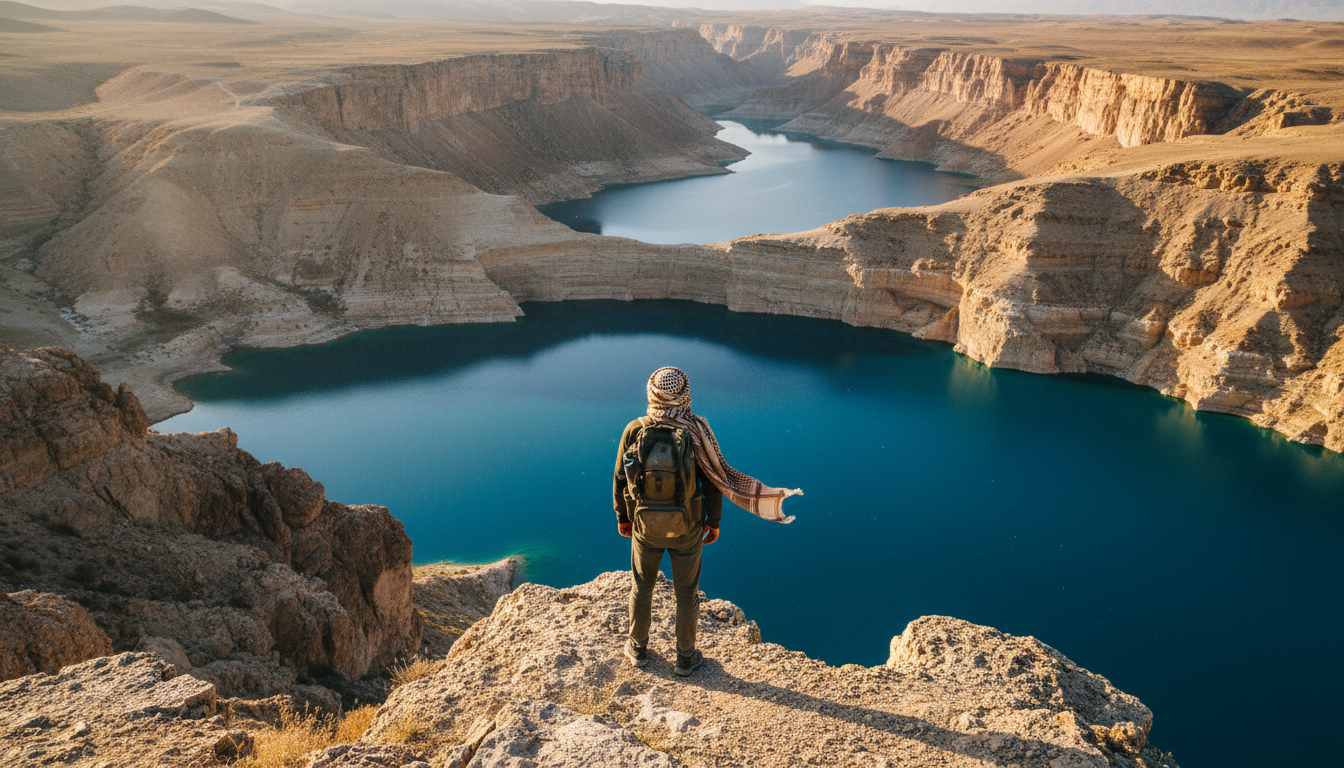
Bamyan is generally considered the safest province for tourists. The niches of the giant Buddhas, destroyed in 2001, remain a powerful site. The nearby Band-e-Amir lakes offer some of the most stunning blue waters set against stark desert cliffs in the world.
3. Herat
The cultural capital in the west, near the Iranian border. The Great Mosque of Herat is an architectural masterpiece. The vibe here is slightly more distinct due to Persian influence.
Logistics: Money and Connectivity
The banking system is isolated from the West. Your Visa or Mastercard will be useless pieces of plastic inside Afghanistan.
- Cash is King: You must bring all the cash you need for the entire trip in USD (new, crisp $100 bills). These can be exchanged for Afghanis at local markets.
- Internet: SIM cards are available (Roshan or Etisalat), but coverage is spotty outside major cities. Government shutdowns of the internet occur during periods of unrest.
The Solo Traveler Dilemma
Can you travel solo? Technically, yes. Should you? That is the question. The Afghanistan Travel Advisory 2026 suggests that “solo” usually means hiring a local guide and driver solely for yourself. Public transport is incredibly dangerous due to road conditions and the risk of highway bandits. Renting a car without a driver is impossible for foreigners.
For those looking to combine work and travel, this is not a typical destination for a digital nomad visa lifestyle. The infrastructure simply does not support reliable remote work, and the stress of the environment is not conducive to productivity.
Health and Medical Facilities
Medical care is extremely limited. In the event of a serious injury, evacuation to Dubai or Istanbul is the only viable option, and this requires premium medical evacuation insurance. Basic medications are often counterfeit or unavailable.
Conclusion: The Weight of the Journey
Visiting Afghanistan is a life-altering experience. It challenges your perceptions of media, war, and humanity. The hospitality of the Afghan people is legendary; you will be offered tea by strangers and welcomed into homes. However, this warmth exists alongside a volatile political reality.
By heeding this Afghanistan Travel Advisory 2026, you acknowledge the risks. Preparation is your only safety net. For those seeking a different kind of journey—one of inner reflection and spiritual peace amidst the chaos of the world—it is vital to maintain your mental fortitude.
For more resources on maintaining your spiritual wellness and mental peace during challenging travels, visit Wazifa Hub.