
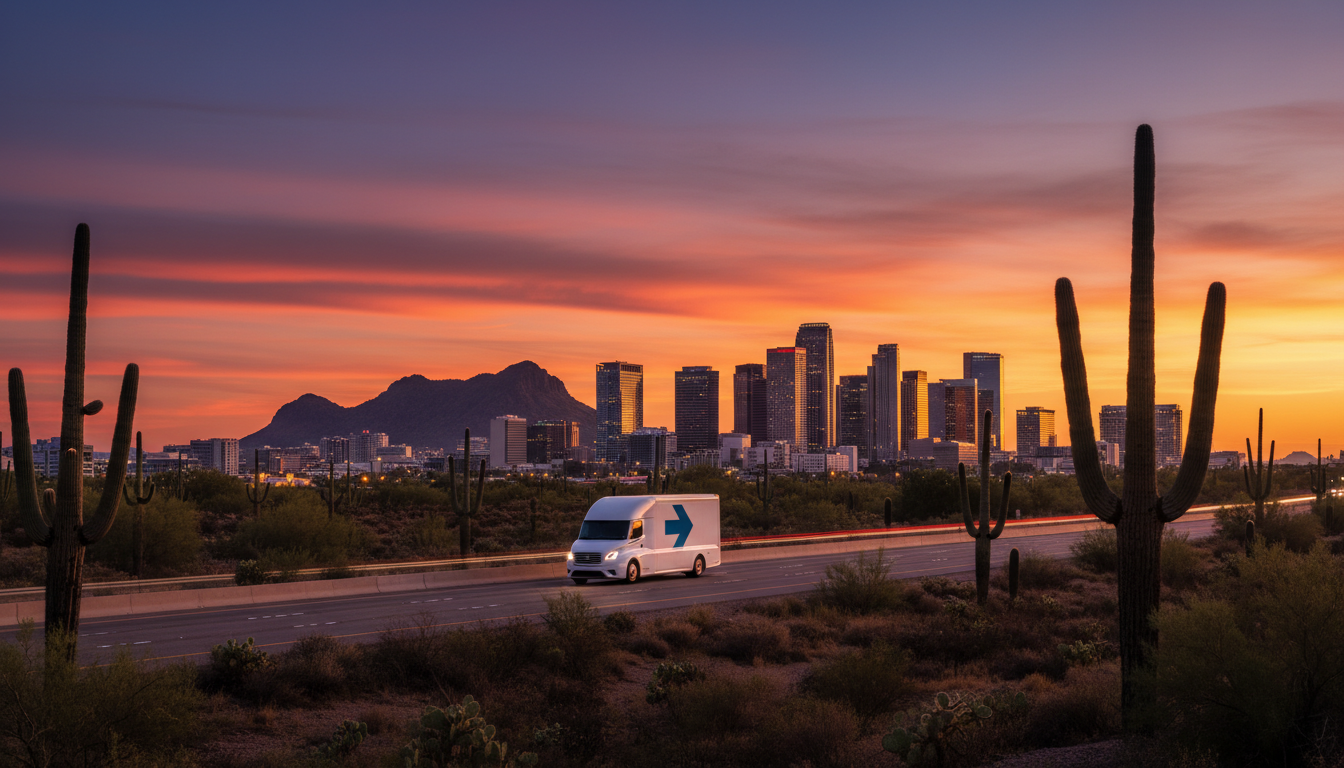
If you are considering moving to Phoenix 2026, you must first navigate the shocking recent adjustments to federal immigration policies that are reshaping the American Dream for thousands of hopeful expats. The Valley of the Sun has long been a beacon for those seeking sunshine and economic opportunity, but the pathway to residency is evolving rapidly. Whether you are chasing a career in the booming “Silicon Desert” or looking for a vibrant lifestyle change, understanding these new regulatory hurdles is the difference between a successful relocation and a denied application.
The New Landscape: Shocking US Immigration Changes
The year leading up to 2026 has seen a paradigm shift in how the United States handles entry and residency. Gone are the days of passive application processes; the new system prioritizes high-demand skills and economic self-sufficiency more aggressively than ever before.
1. The Rise of Skills-Based Entry
The most significant change is the pivot toward merit-based immigration. Federal policies now heavily favor individuals with expertise in technology, healthcare, and renewable energy—industries that are currently thriving in Arizona. If you are an engineer or a medical professional, your path to moving to Phoenix 2026 just became significantly smoother. However, for general laborers, the quotas have tightened, making employer sponsorship an absolute necessity before arrival.
2. The Digital Nomad Evolution
Perhaps the most exciting development is the clarification regarding remote work visas. While the US technically lacks a specific “Digital Nomad Visa” like many European nations, new visa classifications for 2026 allow for extended stays for remote workers employed by foreign entities, provided they meet specific income thresholds. For more details on leveraging remote work for travel, check out our guide on the digital nomad visa landscape.
Why Phoenix? The Rising Star of the Southwest
Despite the bureaucratic hurdles, the allure of Phoenix remains undeniable. It is currently one of the fastest-growing metropolises in the United States, offering a unique blend of urban sophistication and rugged desert beauty.
The “Silicon Desert” Boom
Phoenix is no longer just a retirement haven. It has transformed into a massive tech hub. Major semiconductor manufacturers and electric vehicle companies have set up massive operations in the metro area. This economic injection has created thousands of high-paying jobs, making the effort of moving to Phoenix 2026 a lucrative investment for your career.
Climate Realities: Living in the Oven
It is impossible to discuss Phoenix without mentioning the heat. Summers are intense, often exceeding 110°F (43°C) for days on end. However, the infrastructure is built for it. From air-conditioned public transport to chilled swimming pools in almost every apartment complex, the city is designed to keep you cool. The trade-off? Eight months of absolutely perfect, resort-style weather while the rest of the country is shoveling snow.
The Cost of Living: What to Expect in 2026
Inflation has touched every corner of the globe, and Arizona is no exception. However, compared to coastal giants like Los Angeles or New York, Phoenix remains relatively affordable, though the gap is closing.
- Housing: The housing market has stabilized after the post-pandemic surge. In 2026, expect to pay a premium for homes in Scottsdale or Paradise Valley, while areas like Glendale and Mesa offer more budget-friendly options.
- Utilities: Be prepared for high electricity bills in the summer. AC is a survival tool, not a luxury.
- Transportation: Phoenix is a sprawling city. While the light rail system is expanding, owning a car is still highly recommended for getting around efficiently.
Top Neighborhoods for Expats and Newcomers
Choosing the right location is crucial when moving to Phoenix 2026. The metro area is vast, and each neighborhood has a distinct personality.
1. Scottsdale
Known for luxury, high-end shopping, and vibrant nightlife. It is the most expensive area but offers the highest standard of living and top-rated schools.
2. Downtown Phoenix
Perfect for young professionals and singles. The downtown area has undergone a massive revitalization, featuring trendy lofts, art galleries, and a buzzing culinary scene.
3. Gilbert
Consistently ranked as one of the safest cities in America, Gilbert is ideal for families. It offers a suburban feel with plenty of parks, good schools, and a strong sense of community.
Essential Relocation Checklist
Moving across borders involves risk. Before you book your flight, ensure you are covered. Unforeseen medical emergencies or travel cancellations can drain your savings instantly.
We highly recommend looking into comprehensive coverage. You can read more about protecting your journey in our section on travel insurance essentials.
Step-by-Step Guide
- Secure Employment: Do not arrive without a job offer if you are seeking a work visa.
- Visa Application: Apply at least 6-9 months in advance due to the 2026 backlogs.
- Housing Search: Use local realtors who understand the expat market.
- Vehicle Planning: Decide whether to ship your car or buy one locally (buying locally is usually easier due to emissions standards).
Conclusion
Moving to Phoenix 2026 is an adventure filled with promise, but it requires strategic planning in light of the shocking new immigration changes. The city offers a dynamic lifestyle, a booming economy, and breathtaking landscapes for those willing to navigate the complexities of modern relocation. By staying informed and preparing your documentation early, you can turn the dream of living in the Valley of the Sun into a reality.
Relocating can be stressful for the mind and soul. For those seeking spiritual peace and mental wellness during this major life transition, we recommend visiting Wazifa Hub.