
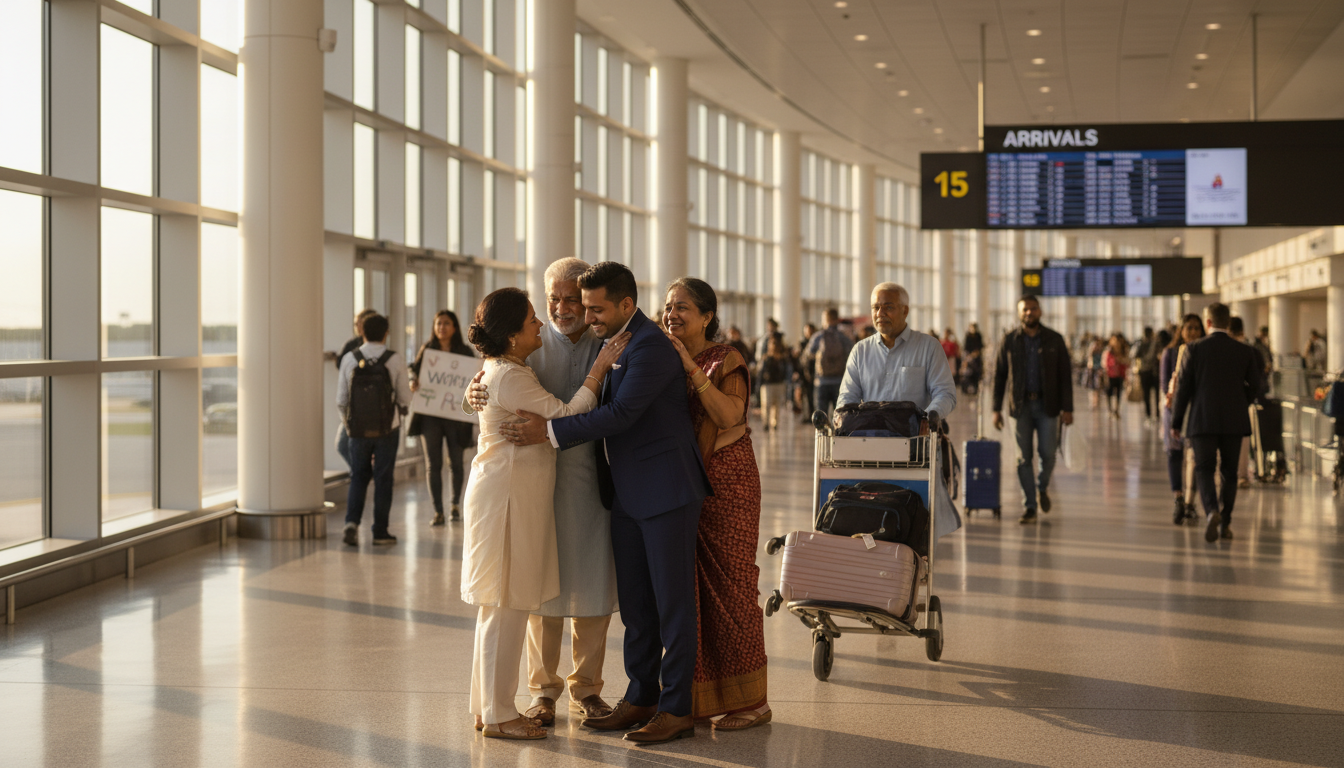
Learning exactly how to sponsor US visitor visa for family members is the first step toward a heartwarming reunion in 2026. For many South Asian expatriates living in the United States, bringing parents or siblings over for a visit is a dream, yet the bureaucratic maze of the B-2 visa process can often feel overwhelming. While the US Department of State technically doesn’t have a “sponsorship” visa category for tourists, the process of providing financial support and documentation is what we colloquially call sponsorship. This guide serves as your comprehensive roadmap to navigating the paperwork, the interview, and the emotional journey of bringing your loved ones to America.
Understanding the B-2 Tourist Visa Landscape in 2026
Before diving into the paperwork, it is crucial to understand that your relatives will be applying for a B-2 Tourist Visa. This visa covers tourism, visiting friends or relatives, and medical treatment. As we move into 2026, consular officers are scrutinizing applications more strictly regarding “immigrant intent.” This means the burden of proof lies heavily on your relatives to show they plan to return to their home country (India, Pakistan, Bangladesh, etc.) after their visit.
The “Sponsorship” Reality: Form I-134
When people ask how to sponsor US visitor visa for family, they are usually referring to the Affidavit of Support (Form I-134). While not mandatory for every single tourist visa, it is highly recommended when the applicant (your relative) does not have substantial independent financial means. By signing this form, you effectively tell the US government that your relatives will not become a “public charge” and that you will cover their expenses.
Required Documents from the US Sponsor (You)
To build a strong case, you need to provide a packet of documents to your relatives, which they will carry to their visa interview. Do not mail these to the embassy; mail them to your family.
- Form I-134: Completed and signed Affidavit of Support.
- Letter of Invitation: A formal letter addressed to the consular officer and an informal one addressed to your relatives, detailing the duration of the stay and your intent to host them.
- Proof of Status: Copy of your US Passport, Green Card, or H1B/Valid Visa status.
- Financial Proof: Bank statements for the last 6 months and your most recent W2 forms or tax returns (1040).
- Employment Verification: A letter from your employer stating your designation, salary, and permanent nature of your job.
The Application Process: Step-by-Step
1. Filing the DS-160
The DS-160 is the primary online application form. It must be filled out accurately. Any discrepancy between the DS-160 and the interview answers can lead to an immediate rejection. Ensure that the “Purpose of Trip” clearly states “Visiting Family.”
2. Scheduling the Interview
Wait times for visa interviews in South Asian consulates (like Mumbai, Delhi, Islamabad, or Dhaka) can fluctuate wildly. In 2026, we are seeing a stabilization, but it is always wise to book months in advance.
3. The Visa Interview
This is the make-or-break moment. The interview usually lasts only 2 to 3 minutes. Your relatives must be prepared to answer questions confidently.
Crucial Interview Tips for South Asian Parents
Consular officers are trained to detect hesitation. Here is how your family can prepare:
- Language: If your parents are not fluent in English, they should request an interview in their native language (Hindi, Urdu, Bengali, etc.) at the time of booking.
- Keep Answers Short: Officers do not have time for stories. If asked, “What does your son do?” the answer should be “He is a Software Engineer at Google,” not a history of your education.
- Knowledge of the Trip: They must know your address, your phone number, and exactly how long they intend to stay.
Preparing for the Trip: Insurance and Logistics
Once the visa is approved, the focus shifts to travel logistics. Healthcare in the USA is notoriously expensive. A simple ER visit can cost thousands of dollars.
It is absolutely essential to purchase comprehensive visitor health insurance. For detailed guides on selecting the best policies for seniors, check out our dedicated section on travel insurance and safety. Do not let a medical emergency turn a dream vacation into a financial nightmare.
Flight Booking Strategies
For elderly parents traveling alone from South Asia, consider booking flights with wheelchair assistance (even if they can walk, the long terminals are exhausting) and look for airlines that offer direct flights or single layovers to minimize confusion.
Common Pitfalls to Avoid in 2026
- Applying for too long a stay: Asking for a 6-month stay immediately can raise red flags. It is often better to state a 2-3 month itinerary.
- Lack of ties to home: Ensure they bring property deeds, pension documents, or photos of other family members back home to the interview.
- Over-documentation: While you should send all financial documents, your parents should only present them if asked. Handing over a thick bundle of papers unprompted can look desperate.
Final Thoughts
Bringing your family to the United States is a rewarding experience that bridges the gap between your heritage and your current life. By meticulously preparing the Form I-134 and coaching your relatives for the interview, you significantly increase the chances of approval. Remember, confidence and honesty are the keys to a successful visa application.
The process can be stressful, and anxiety before the visa interview is common. For those seeking spiritual peace and mental wellness during this waiting period, many find solace in prayer and meditation. You can find resources for spiritual grounding at Wazifa Hub.