
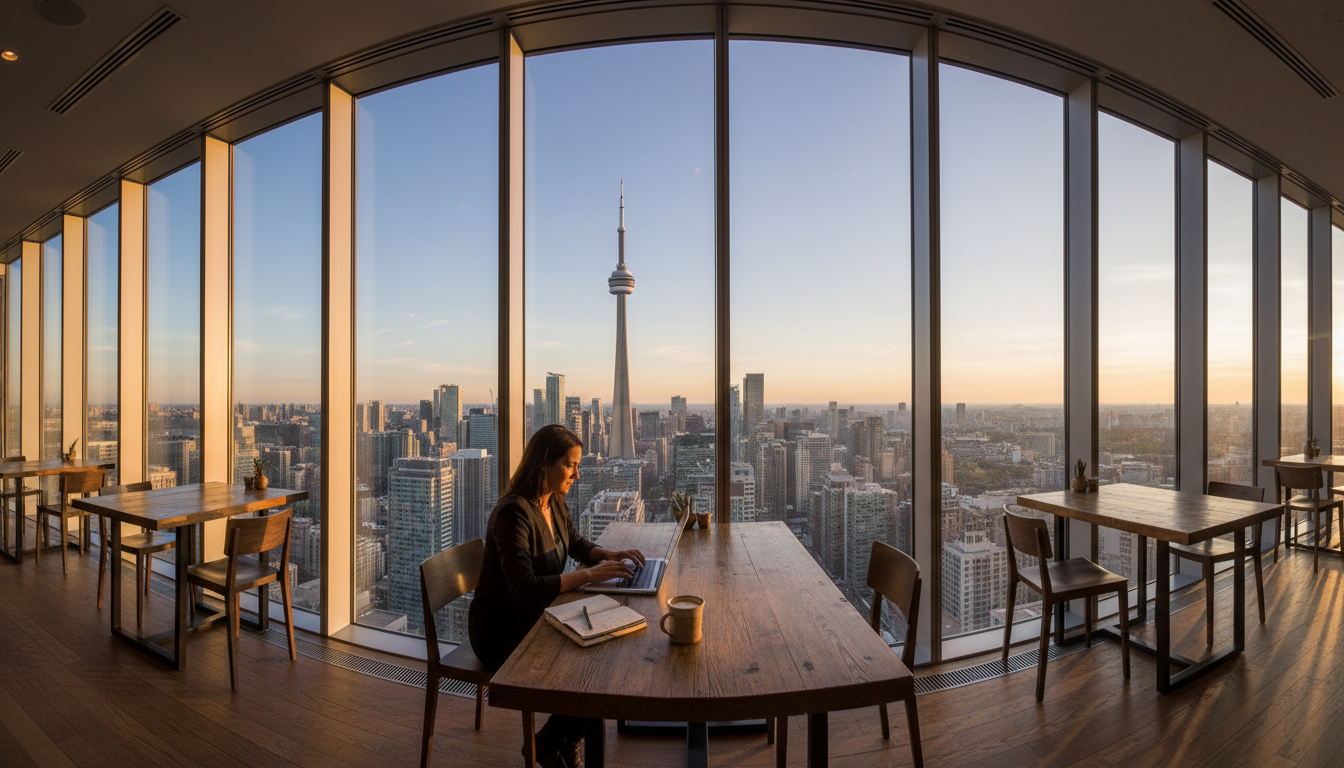
This comprehensive Toronto digital nomad guide is your essential roadmap to navigating the 2026 remote work landscape in Canada’s bustling metropolis. For US citizens looking to escape the routine without crossing an ocean, Toronto offers a cosmopolitan vibe, high-speed connectivity, and a robust tech ecosystem that rivals Silicon Valley.
Why Toronto is the Ultimate Base for US Remote Workers in 2026
Toronto has evolved into a global powerhouse for tech and creativity. Often dubbed “Silicon Valley North,” the city is not just a financial hub but a melting pot of cultures, offering a seamless transition for Americans. The time zone alignment (Eastern Standard Time) means you can stay perfectly synced with New York or Washington D.C. clients without the jet lag.
Furthermore, the safety, healthcare infrastructure, and multicultural culinary scene make it a top-tier destination. Whether you are a freelance developer, a content creator, or a corporate employee with a “work from anywhere” policy, Toronto provides the infrastructure you need to thrive.
Navigating the Legal Landscape: Visas and Regulations
One of the most critical aspects of the nomad lifestyle is legality. Fortunately, Canada has made it incredibly accessible for remote workers, specifically through recent immigration initiatives targeting the tech sector.
The “Visitor Visa” Strategy for Remote Workers
As of the latest regulations in 2026, US citizens can enter Canada as visitors and stay for up to six months. Under this status, you are legally permitted to work remotely for an employer based outside of Canada. This means if your paycheck comes from a US company and goes into a US bank account, you do not need a specific work permit for a short-term stay.
The Tech Talent Strategy & Digital Nomad Initiative
Canada has aggressively courted tech talent. If you are looking to stay longer than six months or seek employment with a Canadian entity, you should explore the specific pathways designed for high-skilled workers. For a deeper dive into global opportunities, check out our resources on the digital nomad visa landscapes across the world.
Where to Live: Best Neighborhoods for Nomads
Toronto is a city of neighborhoods, each with a distinct personality. Choosing the right base is crucial for your productivity and social life.
- Queen West: Vogue once named it one of the coolest neighborhoods in the world. It is packed with trendy cafes, art galleries, and boutique hotels. Ideal for creatives who want inspiration at their doorstep.
- Liberty Village: A former industrial area turned tech-hub. High-density condos, endless networking opportunities, and a younger demographic make this perfect for startup founders and tech workers.
- The Annex: Situated near the University of Toronto, this area offers a mix of historic charm and student energy. It is quieter than downtown but rich in culture and bookstores.
- Leslieville: If you prefer a slower pace with a community feel, this east-end gem offers fantastic coffee shops and a family-friendly vibe, while still being a short streetcar ride from the core.
The Workspace Ecosystem: Coworking & Connectivity
Reliable Wi-Fi is the lifeblood of a digital nomad. Toronto boasts some of the fastest internet speeds in North America. Beyond the coffee shops, the city has a mature coworking market.
Top Coworking Spaces
WeWork has a massive presence here, but local favorites like Project Spaces and The formidable East Room offer more character. The East Room, located in a restored warehouse, provides a stunning aesthetic that is perfect for client calls and Instagram content.
Coffee Shop Culture
If you prefer the ambient noise of a cafe, Toronto does not disappoint. Dineen Coffee Co. on Yonge Street is an architectural marvel, while Jimmy’s Coffee offers cozy back patios perfect for deep work sessions.
Cost of Living Breakdown (2026 Estimates)
Toronto is not cheap, but for US citizens earning in USD, the exchange rate often works in your favor. Here is what you can expect to spend monthly:
- Accommodation (1-Bedroom Apartment in City Center): $2,600 – $3,200 CAD (~$1,900 – $2,350 USD)
- Coworking Membership: $350 – $500 CAD
- Monthly Transit Pass (TTC): $156 CAD
- Dining Out (Mid-range meal for two): $100 CAD
- Groceries: $400 – $600 CAD
Transportation: Getting Around the 6ix
You do not need a car in Toronto. The Toronto Transit Commission (TTC) operates an extensive network of subways, streetcars, and buses. The streetcar network is one of the largest in North America and is the most scenic way to traverse the city. For late nights, Uber and Lyft are readily available and reliable.
Leisure: Balancing the Grind
Work-life balance is essential. In the summer, take a ferry to the Toronto Islands for a car-free escape with stunning skyline views. In the winter, embrace the cold by skating at Nathan Phillips Square. For foodies, the St. Lawrence Market is a must-visit for fresh local produce and the famous Peameal Bacon sandwich.
Being a digital nomad can be exhilarating, but the constant movement can sometimes take a toll on your mental health. It is vital to maintain your inner balance. for those seeking spiritual peace and mental wellness practices during their travels, you can find valuable resources at Wazifa Hub.