
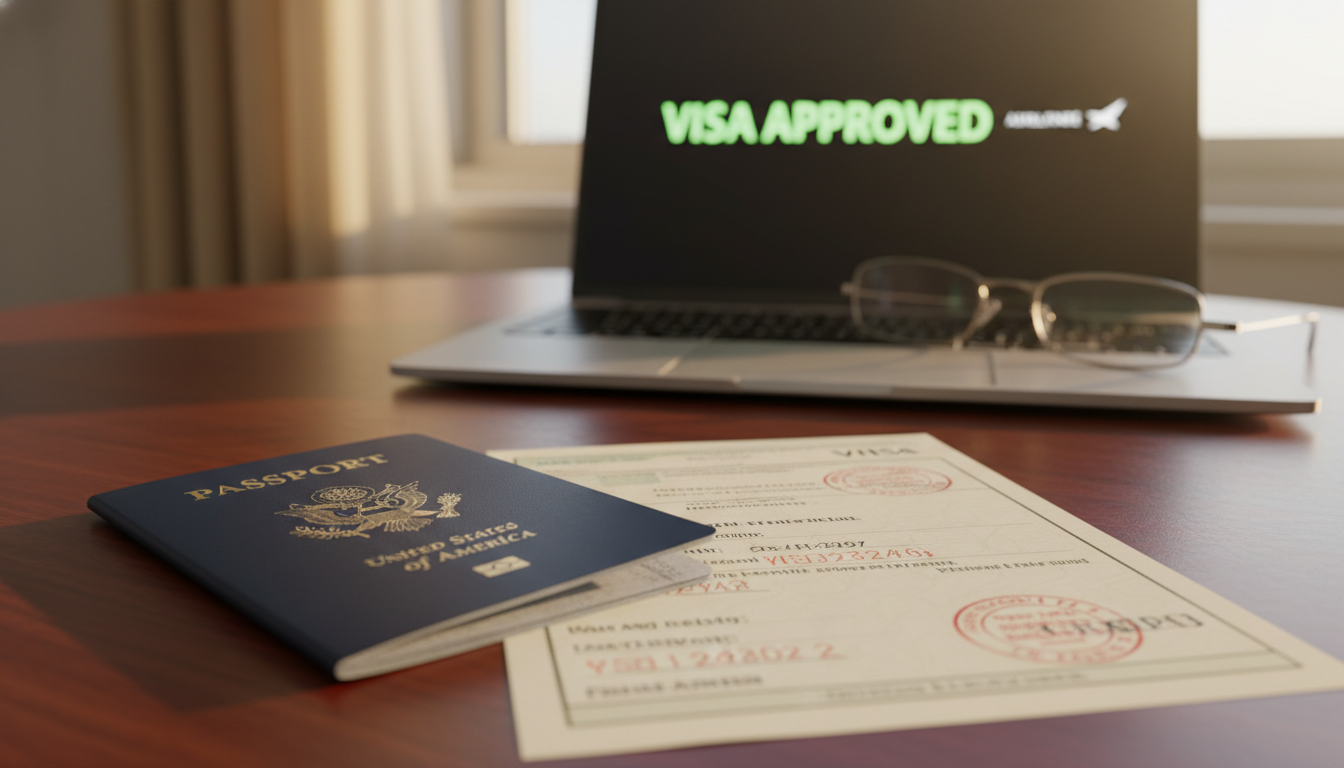
Securing an Emergency Visa Appointment USA 2026 has become a critical priority for travelers facing urgent medical needs, business crises, or family emergencies. As visa wait times continue to fluctuate globally, knowing how to navigate the expedited appointment system is the difference between making your flight and missing a life-changing event. This guide serves as your roadmap to bypassing the backlog and securing your entry into the United States efficiently.
Understanding the Expedited Appointment System
The US Department of State acknowledges that life doesn’t always adhere to standard processing times. An expedited appointment—often referred to as an emergency appointment—allows qualified applicants to move their interview date forward significantly. However, these slots are limited and reserved for genuine humanitarian or critical business needs.
In 2026, the criteria have become stricter due to high demand. It is no longer enough to simply have a flight booked; you must prove that your travel is urgent and could not have been foreseen.
Who Qualifies for an Emergency Appointment?
Before you request an expedite, ensure your situation falls into one of the accepted categories. The Consular Section generally approves requests for the following reasons:
- Medical Emergencies: The purpose of travel is to obtain urgent medical care, or to accompany a relative or employer for urgent medical care.
- Funeral/Death: The purpose of travel is to attend the funeral of or make arrangements for repatriaing the body of an immediate family member (mother, father, brother, sister, child, grandparent, or grandchild) in the United States.
- Urgent Business Travel: Travel to attend to a specific business matter where the travel requirement could not be predicted in advance.
- Students or Exchange Visitors: If your program start date is earlier than the first available standard appointment.
Step-by-Step Guide to Requesting an Emergency Appointment
1. Complete the DS-160 Form
Every journey begins with the DS-160. Ensure all information is accurate. Any discrepancy here can lead to an automatic rejection of your expedite request later on.
2. Pay the Visa Fee and Schedule a Regular Appointment
You cannot request an emergency appointment until you are in the system. Pay your MRV fee and book the first available appointment, even if it is months or years away. This confirms you are a serious applicant.
3. Submit the Expedite Request
Once your standard appointment is booked, log back into your profile (usually on the CGI Federal or AIS website, depending on your region). Look for the “Emergency Request” or “Request Expedite” button on the dashboard.
You will be asked to provide a brief justification. Be concise. Use bullet points to explain the urgency. Attach documentary proof immediately if the system allows, or have it ready to email.
4. Await the Decision
Approvals usually come via email within 1-2 business days. If approved, you must log in immediately to reschedule your appointment to the new, earlier date.
Documentation: The Key to Success
When you arrive for your emergency interview, your documentation must be impeccable. A Consular Officer will scrutinize emergency cases more thoroughly to ensure the system isn’t being abused.
- Medical Cases: A letter from a US physician stating the nature of the ailment and the unavailability of treatment in your home country.
- Funerals: A letter from the funeral director stating contact information, details of the deceased, and the date of the service.
- Business: A letter of invitation from the US company explaining why your physical presence is urgent and essential.
For those looking to expand their travel horizons beyond just the USA, you might also be interested in exploring our guide on the digital nomad visa, which offers alternative pathways for long-term global mobility.
Common Mistakes That Lead to Rejection
Many applicants fail to secure an earlier date because of avoidable errors. Do not submit a request for weddings, graduations, or assisting pregnant relatives—these are generally not considered emergencies by the US Department of State. Furthermore, submitting multiple requests after a denial can negatively impact your current and future applications.
Managing the Stress of the Process
The visa application process, especially under emergency circumstances, can be incredibly stressful. The uncertainty of approval combined with the urgency of the situation can take a toll on your mental health. It is vital to stay grounded and maintain a positive mindset while waiting for the embassy’s decision.
If you are feeling overwhelmed and seeking spiritual peace or mental wellness during this anxious time, you may find comfort and resources at Wazifahu