
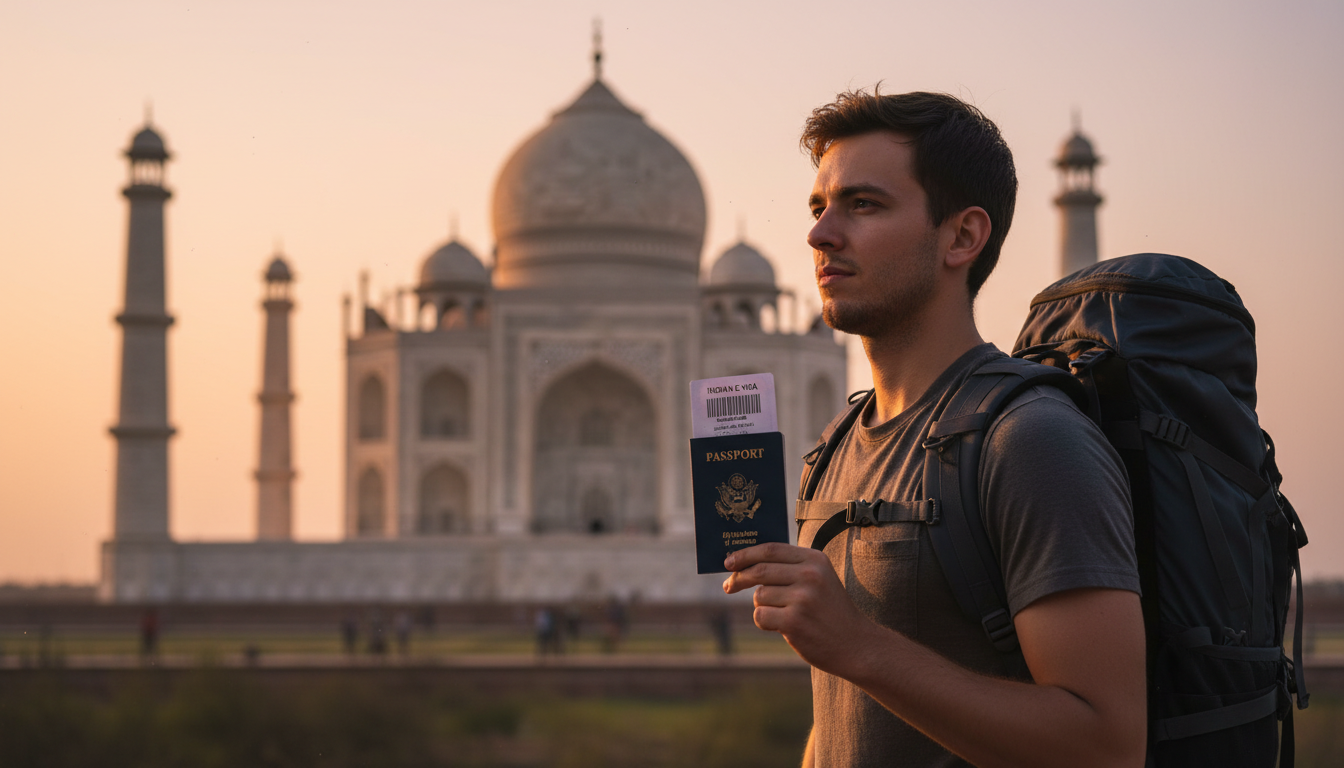
Navigating the requirements for the India e-Visa for US citizens can often feel as complex as the bustling streets of Delhi, but choosing the right visa type is crucial for a stress-free journey. Whether you are planning a quick spiritual retreat to Varanasi, a month-long backpacking trip across Rajasthan, or plan to visit friends and family repeatedly over the next few years, the Government of India offers three distinct Tourist e-Visa categories: the 30-Day, 1-Year, and 5-Year options. Understanding the nuances of cost, validity, and stay duration is essential to avoid border hassles.
Understanding the India e-Visa System
Gone are the days of mailing your physical passport to an embassy and waiting weeks for a stamp. The Electronic Travel Authorization (ETA) system allows US passport holders to apply online and receive their visa via email. However, once you select a category, you cannot change it without reapplying and paying again. Let’s break down the three specific options available to American tourists.
1. The 30-Day India Tourist e-Visa
This is the most popular option for short-term vacationers. It is ideal if you have a fixed itinerary and do not plan to return to India in the immediate future.
- Validity: The visa is valid for 30 days from the date of your arrival in India.
- Entry Type: Double Entry. This allows you to visit a neighboring country like Nepal or Sri Lanka and return to India within that 30-day window.
- Cost: The price fluctuates based on the season. From April to June (low season), it is roughly $10 USD. During peak season (July to March), it is approximately $25 USD.
- When to Apply: You can apply as early as 30 days before travel, but no later than 4 days before departure.
2. The 1-Year India Tourist e-Visa
If you plan to visit India more than once within a calendar year, or if your trip extends beyond a month, this is a solid middle-ground option.
- Validity: Valid for 365 days from the date of grant (ETA issuance), not the date of arrival.
- Entry Type: Multiple Entry.
- Continuous Stay: US citizens can stay for up to 180 days continuously.
- Cost: Approximately $40 USD.
3. The 5-Year India Tourist e-Visa (The Best Value)
For frequent travelers, digital nomads, and those with family in India, the 5-Year e-Visa is the “Gold Standard.” Given the minimal price difference between the 1-year and 5-year options, most travel experts recommend this tier.
- Validity: Valid for 5 years from the date of issuance.
- Entry Type: Multiple Entry.
- Continuous Stay: Like the 1-year visa, US citizens are limited to a continuous stay of 180 days per visit.
- Cost: Approximately $80 USD.
Which Visa Should You Choose?
Mathematically, the 5-year visa offers the highest return on investment. Even if you only plan to visit once now, having a valid visa in your pocket for the next five years encourages spontaneous future trips without the paperwork headache.
Critical Rules for US Citizens
Regardless of which India e-Visa for US citizens you choose, there are universal rules you must follow:
- Passport Validity: Your passport must be valid for at least 6 months from your date of arrival and have at least two blank pages.
- Biometrics: Upon arrival, you will likely have your fingerprints and photo taken at the immigration counter.
- Ports of Entry: You can enter through 29 designated airports and 5 seaports. However, you can exit through any authorized Immigration Check Post (ICP) in India.
Don’t Forget Travel Safety
India is an assault on the senses—in the best way possible—but it can also be unpredictable. From “Delhi Belly” to lost luggage or unexpected flight cancellations, having a safety net is non-negotiable. Before you fly, ensure you have comprehensive coverage. Check out our guide on essential travel insurance tips to ensure you are covered for medical emergencies and evacuations.
Common Application Mistakes to Avoid
The rejection rate for Indian e-Visas is low, but it happens, usually due to user error. Avoid these common pitfalls:
- Photo Quality: The photo must have a white background and no shadows. Do not use a photo of a photo.
- Name Mismatch: Ensure your name on the application matches the machine-readable zone (MRZ) at the bottom of your passport exactly.
- Reference Name: You will be asked for a reference in India. If you are a tourist, use your first hotel’s name and address. Do not leave this blank or put “N/A”.
Conclusion
Choosing between the 30-day, 1-year, and 5-year India e-Visa depends largely on your travel style and future plans. For most US tourists, the 5-year option provides the ultimate freedom and value. Once your paperwork is sorted, you can focus on the incredible experiences awaiting you.
India is not just a destination; it is a journey inward. If you are looking to prepare your mind and soul for a journey of spiritual peace and mental wellness during your travels, visit Wazifa Hub for guidance.