
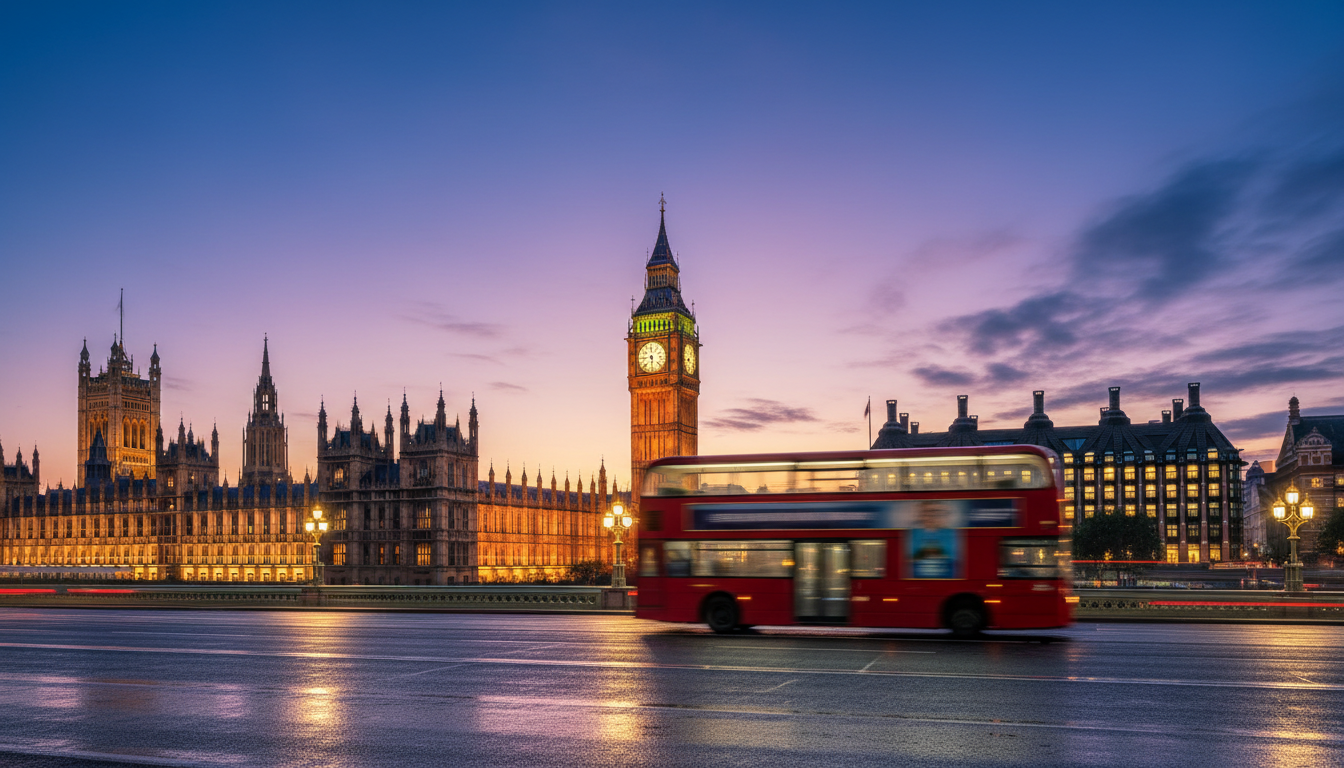
This definitive London travel guide 2026 is designed specifically for American travelers looking to navigate the historic streets of the UK’s capital with ease and style. As we move further into the decade, London continues to evolve, blending its ancient Roman roots with futuristic skylines, and for US citizens, the rules of entry and the cost of travel have shifted significantly.
Whether you are visiting for the royal history, the West End theatre scene, or the thriving culinary landscape, preparation is key. From the implementation of the new Electronic Travel Authorisation (ETA) to navigating the post-inflation economy, here is everything you need to know before crossing the Atlantic.
1. The New Entry Requirement: The UK ETA Explained
Gone are the days when Americans could simply hop on a plane with just a passport and breeze through the e-gates. By 2026, the UK’s Electronic Travel Authorisation (ETA) scheme will be fully operational for US citizens. This digital permission is mandatory for visitors who do not need a visa for short stays.
- Cost: Approximately £10 ($13 USD).
- Validity: Valid for multiple journeys over two years.
- Application: Must be done via the official UK government app or website at least 3-7 days before travel.
Do not arrive at Heathrow without this digital approval linked to your passport, as airlines will deny boarding.
2. Budgeting for London 2026: What Does it Cost?
London remains one of the most expensive cities in the world. Inflation has stabilized somewhat since 2024, but prices for hospitality remain high. Here is a realistic breakdown for an American traveler in 2026:
Flight Costs
Direct round-trip flights from the East Coast (JFK, IAD) typically range from $600 to $900 in economy during shoulder seasons. West Coast flights (LAX, SFO) generally cost between $800 and $1,200.
Accommodation
- Budget Hostels: $50–$80 per night.
- Mid-Range Hotels: $200–$350 per night (Premier Inn, Ibis Styles).
- Luxury Hotels: $600+ per night (The Savoy, The Ritz).
Daily Spending
Plan for roughly $150–$200 per person per day for food, transport, and attractions, excluding accommodation. A standard pub meal now averages £18–£25 ($23–$32), and a pint of beer is nearing £8 ($10) in central zones.
3. Getting Around: The Tube vs. Uber
London’s public transport network is world-class. The Underground (The Tube) is the fastest way to navigate the city. In 2026, the Elizabeth Line continues to be a game-changer, whisking passengers from Heathrow to Central London in under 30 minutes.
Payment: You do not need to buy a physical ticket. Simply use your contactless credit card, Apple Pay, or Google Pay at the yellow barriers. Daily caps ensure you never pay more than the price of a Day Travelcard (approx. £8.50–£15.60 depending on zones).
While iconic Black Cabs are safe and knowledgeable, they are pricey. Uber and Bolt are widely available but can face congestion charges in the city center.
4. Where to Stay: Neighborhood Guide
Choosing the right base can define your trip. Here are three distinct vibes:
- Mayfair & Kensington: For those seeking high-end shopping, museums, and luxury travel experiences. This is old-money London.
- Shoreditch & Hackney: The hipster heartland. Great for street art, vintage markets, and nightlife.
- South Bank & Waterloo: Perfect for first-timers. Walkable access to the London Eye, Big Ben, and Tate Modern.
5. Safety and Travel Insurance
London is generally very safe for Americans, but petty crime like phone snatching is a rising issue, particularly in tourist hubs like Oxford Circus and Covent Garden. Thieves on e-bikes often target pedestrians holding phones loosely.
Medical Care: While the NHS is excellent, it is not free for tourists. Emergency care is provided, but you will be billed for hospital stays. It is absolutely vital to have robust coverage. Before you fly, review our guide on travel insurance to ensure you are protected against medical emergencies and trip cancellations.
6. Dining: Beyond Fish and Chips
The stereotype of bad British food is decades out of date. London is a culinary capital. In 2026, the trend is sustainable, farm-to-table dining and high-end Indian cuisine.
- Dishoom: A modern classic for Bombay-style comfort food. Expect a line.
- Borough Market: The ultimate foodie destination. Try the viral strawberries with chocolate or fresh pasta at Padella.
- Sunday Roast: Do not leave without experiencing a traditional Sunday Roast at a gastropub. Look for places like The Pig and Butcher or The Harwood Arms.
7. Hidden Gems to Visit in 2026
Skip the line at Madame Tussauds and try these instead:
- Gods Own Junkyard: A neon wonderland in Walthamstow.
- The Painted Hall at Greenwich: Often called the “Sistine Chapel of the UK.”
- Leighton House Museum: A stunning artistic house museum featuring elaborate Middle Eastern tiles and architecture.
- Sky Garden: A free alternative to The Shard for panoramic views (booking required weeks in advance).
8. Cultural Etiquette for Americans
To blend in and avoid the “loud tourist” label:
- Stand on the Right: On escalators, always stand on the right so people can walk on the left. This is the golden rule of the Tube.
- Volume Control: Brits generally speak more quietly in public spaces, especially on trains and in restaurants.
- Tipping: Tipping is less aggressive than in the US. A 12.5% service charge is usually added to the bill automatically. You do not need to tip on top of this.
Final Thoughts
London in 2026 is a vibrant, bustling metropolis that honors its past while sprinting toward the future. With the right preparation regarding the UK ETA and a solid budget plan, your trip will be unforgettable. Travel can sometimes be overwhelming, so if you find yourself needing a moment of spiritual peace or mental wellness during your journey, visit Wazifa Hub for resources on inner calm.