
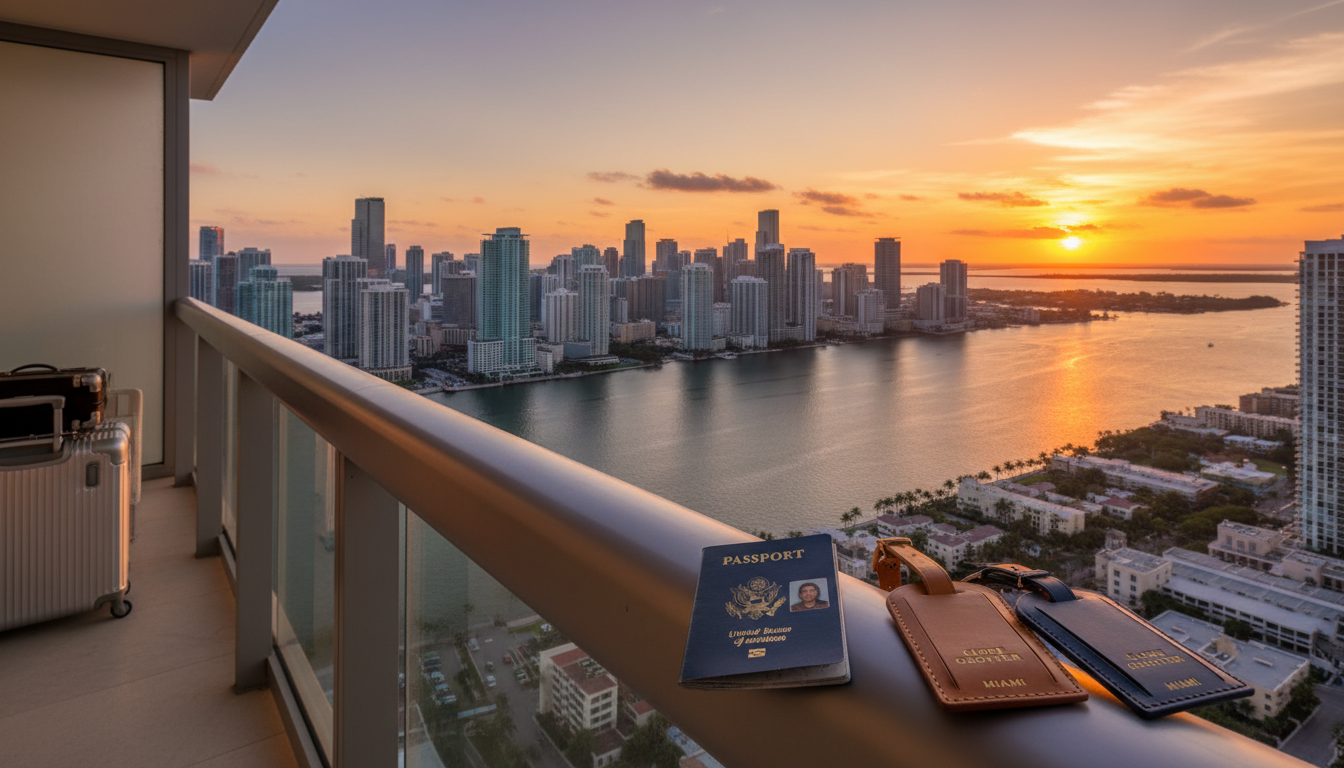
If you are dreaming of sun-soaked beaches and a vibrant cultural scene, this moving to Miami visa guide 2026 is your essential roadmap to navigating the legal complexities of relocation. As the “Gateway to the Americas,” Miami continues to attract global talent, investors, and families seeking a dynamic lifestyle in the United States. However, the path to residency involves navigating a labyrinth of federal immigration laws that change frequently. This comprehensive article explores the most viable visa options and legal strategies available for aspiring Miami residents in 2026.
Why Miami is the Top Destination for Global Citizens
Miami has evolved far beyond its reputation as a vacation hotspot. By 2026, it has solidified its status as a major tech hub, a financial powerhouse often dubbed “Wall Street South,” and a cultural epicenter. The absence of state income tax in Florida, combined with a multicultural environment where Spanish is as prevalent as English, makes it an attractive destination for Latin American, European, and Asian expatriates.
However, moving to the United States requires strict adherence to immigration protocols. Whether you are a corporate executive, an artist, or an entrepreneur, understanding the specific visa category that aligns with your profile is crucial for a successful transition.
Primary Employment-Based Visa Pathways
For many, securing employment is the most direct route to living in Miami. The US immigration system prioritizes workers who fill specific gaps in the labor market or possess unique skills.
The H-1B Visa for Specialized Workers
The H-1B remains the most popular non-immigrant visa for professionals. It is designed for individuals in “specialty occupations” requiring a bachelor’s degree or higher. With Miami’s booming tech and finance sectors, demand for software engineers, financial analysts, and healthcare professionals is at an all-time high. The 2026 lottery season is expected to be competitive, so securing a sponsor early is vital.
The O-1 Visa for Extraordinary Ability
If you possess “extraordinary ability” in sciences, arts, education, business, or athletics, the O-1 visa might be your golden ticket. Miami’s thriving art scene (anchored by Art Basel) and entertainment industry make this a prime location for O-1 applicants. Unlike the H-1B, there is no cap on the number of O-1 visas issued annually.
L-1 Intracompany Transferees
For multinational executives and managers, the L-1 visa allows foreign companies to transfer employees to a US office. If your current employer has a branch in Brickell or Downtown Miami—or wishes to open one—this pathway offers a dual-intent status, meaning you can eventually apply for a Green Card.
Investment Pathways: Buying Your Way into the Magic City
For high-net-worth individuals, investment visas offer a robust pathway to residency. Miami’s real estate and hospitality markets are prime targets for these visa categories.
The EB-5 Investor Visa
The EB-5 program provides a direct route to a Green Card for foreign nationals who invest a significant amount of capital in a new US commercial enterprise that creates at least 10 full-time jobs. In 2026, the standard minimum investment amount remains substantial, but investing in Targeted Employment Areas (TEAs) can reduce this threshold. Many Miami real estate developments qualify as TEA projects.
The E-2 Treaty Investor Visa
Nationals from countries with a commerce treaty with the US can apply for the E-2 visa. This allows you to live in Miami by investing a “substantial” amount of capital in a US business. While it does not directly lead to a Green Card, it can be renewed indefinitely as long as the business is operational. This is a favorite among entrepreneurs opening restaurants, boutiques, or consulting firms in South Florida.
The Digital Nomad Landscape in 2026
While the US does not have a specific “Digital Nomad Visa” like some European nations, remote workers often utilize B-1/B-2 visitor visas for short stays or explore other long-term options. However, the legal landscape is shifting.
For those looking for flexibility, understanding the nuances of remote work taxation and visa status is critical. If you are interested in how other countries handle this, check out our guide on global digital nomad visa options to compare how the US stacks up against international competitors.
Essential Legal Steps Before You Pack
Moving to Miami involves more than just a visa stamp. You must navigate the logistics of American life.
- Social Security Number (SSN): Essential for opening bank accounts and building credit.
- Driver’s License: Florida law requires new residents to obtain a state license within 30 days.
- Healthcare: The US healthcare system is complex and expensive. Securing comprehensive travel and health insurance is non-negotiable for expatriates to protect against unexpected medical costs.
Cost of Living and Financial Planning
Miami is becoming one of the most expensive cities in the US. In 2026, rent prices and real estate values have continued to climb. Prospective movers should budget for:
- Housing: Expect to pay a premium for waterfront properties or luxury condos in Brickell.
- Transportation: While the Metromover exists, Miami is a car-centric city. Factor in car payments, insurance, and parking fees.
- Utilities and Groceries: Inflation affects these daily costs, though the lack of state income tax helps offset the burden.
Conclusion
Relocating to Miami is an exciting venture that promises a lifestyle filled with sun, culture, and economic opportunity. By understanding the intricacies of the moving to Miami visa guide 2026, you can select the legal pathway that best suits your professional and personal goals. Whether you are an investor, a specialized worker, or an artist, the Magic City has a place for you—provided you have the right paperwork.
The stress of international relocation can be overwhelming. For those seeking spiritual peace and mental wellness during this major life transition, many find solace in grounding practices. You can explore resources for inner peace at Wazifa Hub.