
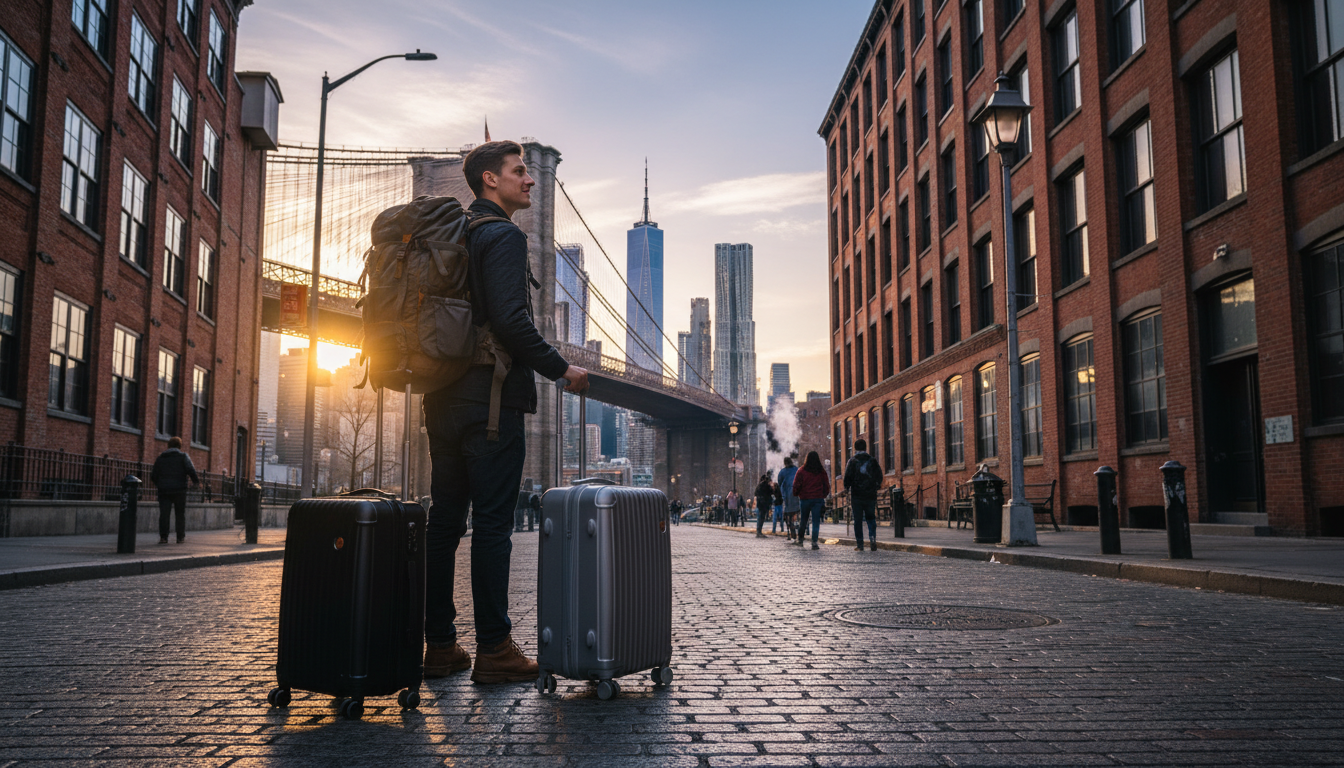
If you are dreaming of moving to NYC in 2026, preparation is the single most critical factor standing between a chaotic struggle and a successful relocation. New York City remains the epicenter of culture, finance, and ambition, but the landscape for newcomers is shifting rapidly. As we approach 2026, prospective residents must navigate evolving visa regulations, a competitive housing market, and a cost of living that demands financial agility. This guide serves as your essential roadmap to conquering the Concrete Jungle.
1. Navigating the Visa Maze: Your Ticket In
Before you pack your bags, securing the legal right to live and work in the United States is paramount. By 2026, immigration policies are expected to lean heavily toward specialized skills and remote flexibility.
The “Talent” Visas (O-1 and EB-1)
For artists, scientists, and business leaders, the O-1 Visa remains the gold standard. If you have recognized achievements in your field, this is often faster than the lottery-based H-1B. Documentation is key here—start gathering press clippings and awards now.
The Digital Nomad Shift
While the US does not have a federal “Digital Nomad Visa” in the traditional sense, changes in policy regarding remote work for foreign entities are evolving. If you are a location-independent entrepreneur, checking the latest updates on digital nomad visa alternatives or B-1 business visitor extensions is crucial for short-term initial stays while seeking long-term solutions.
Student and Exchange Visas (F-1 and J-1)
For younger movers, enrolling in a NYC-based university (F-1) or securing an internship (J-1) remains the most accessible entry point. The post-completion OPT (Optional Practical Training) allows you to work for 1-3 years, providing a vital foothold in the NYC job market.
2. The Financial Reality: Cost of Living in 2026
New York is expensive, and inflation projections for 2026 suggest you need to budget aggressively. Here is a realistic breakdown of monthly expenses for a single person living moderately.
- Rent (Studio/1-Bedroom in non-luxury areas): $3,200 – $4,500
- Utilities & Internet: $250 – $350
- Groceries: $600 – $800
- Transportation (OMNY/MetroCard): $140+ (prices subject to MTA hikes)
- Entertainment & Dining: $1,000+
3. Neighborhood Guide: Where to Plant Your Roots
Choosing a neighborhood dictates your lifestyle. In 2026, the trend is moving slightly away from Manhattan as Brooklyn and Queens offer better community vibes and slightly more space.
Astoria, Queens
Known for its incredible food scene and diversity, Astoria offers a quick commute to Midtown Manhattan. It is perfect for young professionals who want a neighborhood feel without the Manhattan price tag.
Bushwick, Brooklyn
The artistic hub continues to thrive. Converted lofts and street art define this area. It is grittier but vibrant, attracting creatives and nightlife enthusiasts.
Upper West Side, Manhattan
For those prioritizing safety and proximity to Central Park, the UWS remains a classic choice. While expensive, the pre-war architecture and access to green space are unmatched.
4. The Apartment Hunt: Survival of the Fittest
The NYC rental market moves at lightning speed. Apartments listed in the morning are often gone by the afternoon.
Broker Fees
Be prepared for the infamous broker fee, which can range from one month’s rent to 15% of the annual lease. While “no-fee” apartments exist, they are highly competitive. Budgeting for this upfront cost is non-negotiable when moving to NYC in 2026.
Documentation Checklist
Have the following ready as a PDF on your phone before you even view an apartment:
- Photo ID and Visa/Passport copies.
- Last three bank statements.
- Last two tax returns (or proof of foreign funds).
- Letter of employment stating salary and start date.
5. Essential Logistics for the 2026 Mover
Healthcare and Insurance
The US healthcare system is complex. Ensure your employer provides health insurance, or purchase a comprehensive plan immediately. For travelers and expats, securing travel insurance that covers initial medical repatriation is a wise safety net during your transition period.
Getting Around
By 2026, NYC’s congestion pricing may be fully active, making car ownership even more cost-prohibitive. Rely on the subway, buses, and CitiBike. Download the Citymapper app—it is superior to Google Maps for navigating the subway system.
Conclusion: Managing the Mental Transition
Relocating to New York City is an exhilarating challenge that tests your resilience. The noise, the pace, and the competition can lead to burnout if you aren’t careful. While you focus on the logistics of moving, do not neglect your mental and spiritual health. Finding a quiet moment in the city that never sleeps is vital.
If you find yourself overwhelmed by the transition and in need of spiritual grounding or mental peace, consider visiting Wazifa Hub for resources on spiritual wellness and mental tranquility.