
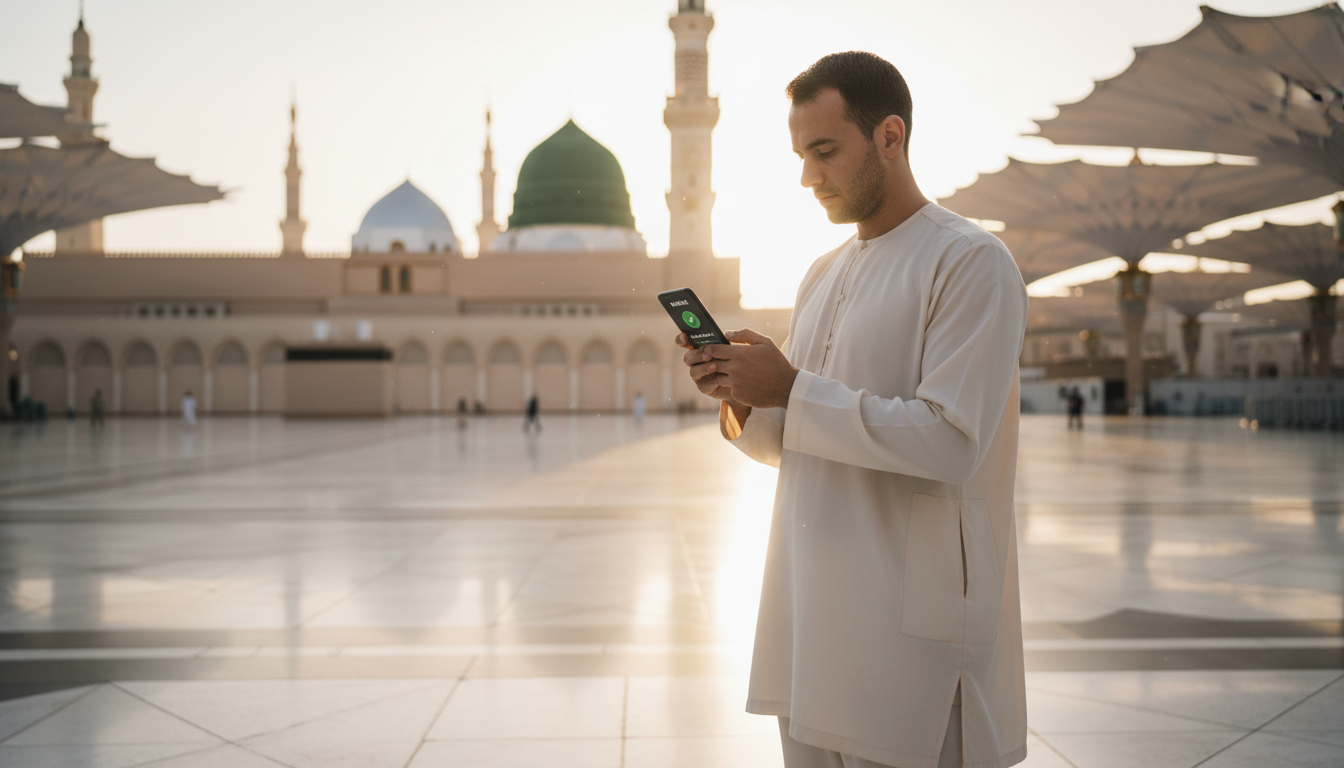
Navigating the new 2026 Umrah regulations for US citizens is the critical first step before you even consider packing your bags for the spiritual journey of a lifetime. As Saudi Arabia accelerates its Vision 2030 initiative, the landscape of religious tourism has shifted entirely from paper-based bureaucracy to a streamlined, yet strict, digital ecosystem. For American travelers accustomed to visa-on-arrival ease, the 2026 protocols introduce specific mandatory app-based procedures that, if ignored, can result in denied entry to the Holy Mosques.
The Digital Shift: Why the Nusuk App is Non-Negotiable in 2026
Gone are the days when you could simply walk into the Al-Haram precinct with just a passport and a prayer mat. The Kingdom has fully integrated the pilgrimage experience into the Nusuk App (formerly Eatmarna). For US citizens, this app is no longer just a “recommended” download; it is your digital passport within the Holy Cities of Makkah and Madinah.
The 2026 updates emphasize “Smart Pilgrimage.” This means authorities are using real-time data to manage crowd density. Without a valid permit QR code generated via the app, access to the Mataf (circumambulation area) and the Rawdah in Madinah is strictly prohibited. US travelers often mistake the Saudi Tourist e-Visa for an Umrah permit; however, they are two distinct legal requirements.
Key 2026 Visa and Entry Regulations for Americans
1. The Unified E-Visa Protocol
While US citizens still enjoy the privilege of the multiple-entry tourist visa valid for one year, the 2026 regulations have tightened the rules regarding duration of stay per visit. You must ensure your passport has at least six months of validity beyond your intended return date. Furthermore, the e-visa must now be linked directly to your Nusuk profile before you can book any prayer slots.
2. Mandatory Biometrics and Health Checks
A significant change in the new 2026 Umrah regulations for US citizens is the integration of health data. The Saudi Ministry of Hajj and Umrah now requires proof of specific vaccinations (often meningitis and updated COVID-19 boosters, subject to seasonal health advisories) to be uploaded or verified digitally. Failure to comply can block your ability to reserve a Rawdah slot.
3. Insurance is No Longer Optional
Comprehensive travel insurance covering COVID-19 treatment, hospitalization, and flight cancellations is mandatory. When you apply for your visa, a basic insurance policy is usually included, but it is often insufficient for the needs of US travelers carrying expensive gear or requiring specific medical attention. We strongly recommend reviewing our comprehensive guide on travel insurance to understand the coverage gaps in the standard government policy.
Mastering the Nusuk App: A Step-by-Step Guide
The interface of the Nusuk app has evolved, and the 2026 version includes features specifically tailored for international pilgrims. Here is how US citizens should navigate it:
- Profile Verification: Ensure your name matches your passport exactly. Middle names often cause mismatches in the system.
- The Wallet Feature: The 2026 update includes a digital wallet. You can now pay for transport and VIP services directly through the app using US credit cards, reducing the need for carrying large amounts of Saudi Riyal.
- Companion Management: If you are traveling with family, you must link them as “companions” under the main applicant’s profile to book group slots.
The Critical Rawdah Permit
The most competitive aspect of the pilgrimage is visiting the Rawdah ash-Sharifah (the area between the Prophet’s house and his pulpit) in Madinah. In 2026, slots are released on a rolling basis. US citizens often struggle with the timing difference. The slots usually open at the start of the Gregorian week. You are generally limited to one Rawdah permit per 365 days, a regulation strictly enforced to allow equity among millions of pilgrims.
Financial and Logistical Considerations
With the new regulations comes a shift in costs. The “Do-It-Yourself” Umrah is becoming more popular among Americans, but it requires diligence. Hotels in Makkah now require digital check-ins that sync with your visa status. Additionally, if you are looking to combine your spiritual journey with leisure, checking out luxury travel options in Al Ula or the Red Sea project is highly recommended, as these destinations are now fully accessible under the same unified visa.
Common Pitfalls to Avoid
- VPN Usage: Avoid using a VPN when accessing the Nusuk app, as it can trigger security flags and lock your account.
- Sim Card Confusion: While your US carrier may offer roaming, purchasing a local Saudi SIM (STC, Mobily, or Zain) at the airport is crucial for the app to function reliably in crowded areas.
- Overstaying: The penalties for overstaying your visa duration have increased significantly in 2026. Automated fines are applied immediately at departure.
Conclusion
The new 2026 Umrah regulations for US citizens are designed to ensure a safer, more organized, and spiritual experience for everyone. By embracing the digital tools provided by the Kingdom and preparing your documentation in advance, you can focus on what truly matters: your worship and reflection. Do not let technicalities distract you from the serenity of the Haram.
For those seeking further spiritual peace, mental wellness, and supplications to recite during your journey, visit Wazifa Hub for a curated collection of powerful prayers.