
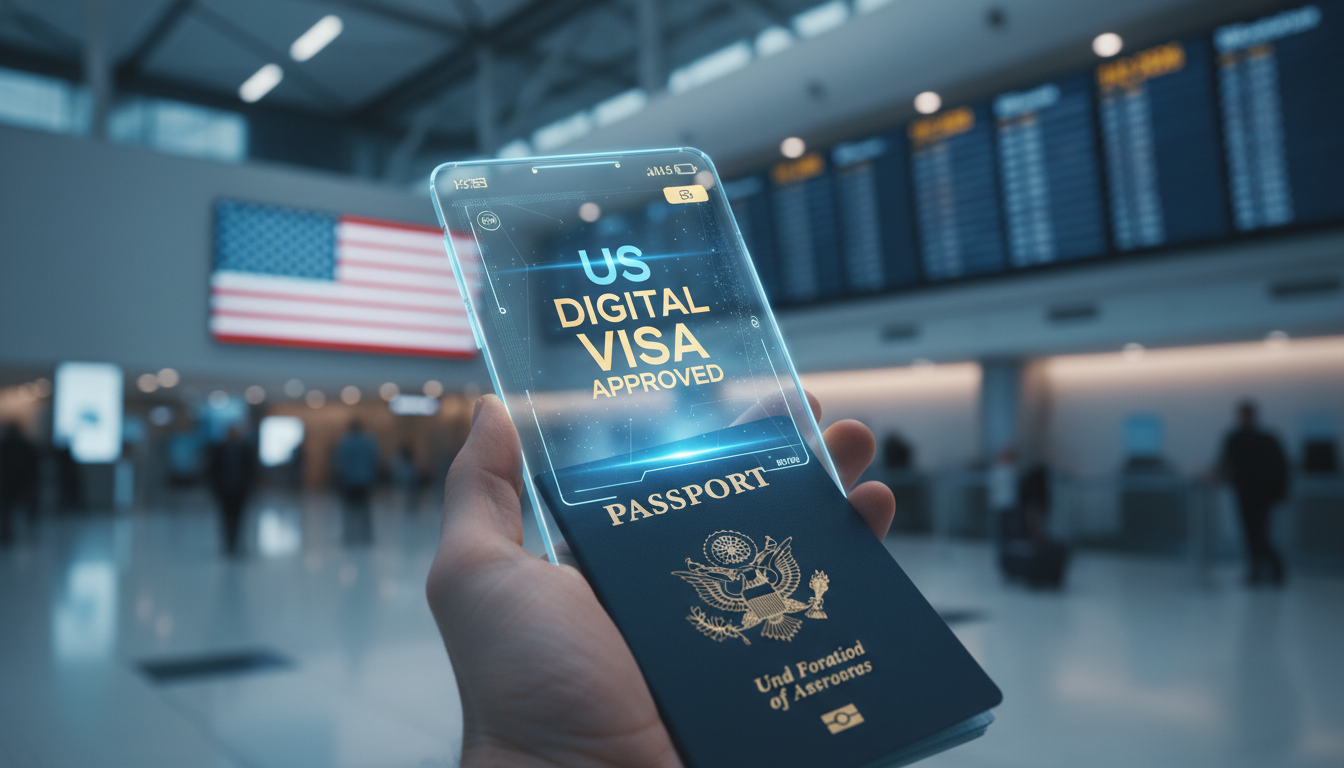
Understanding the New US Visa Rules 2026 is absolutely imperative for international globetrotters, as the Department of State has implemented a series of paradigm-shifting regulations that redefine how the world enters the United States. Gone are the days of simple paperwork; we are entering an era of hyper-digitalization and stricter scrutiny. As a Senior Travel Journalist who has tracked immigration trends for over a decade, I have analyzed the latest policy documents to bring you the five most critical changes that could make or break your travel plans.
1. The End of Physical Visa Stickers: The “Paperless” Revolution
Perhaps the most visually shocking change is the phasing out of the traditional foil visa sticker glued into passports. The US government has officially accelerated its transition to digital visas.
Under the new protocols, successful applicants for non-immigrant visas (B1/B2, F1, etc.) will no longer receive a physical stamp. Instead, your visa status is linked electronically to your passport’s biometric chip. This modernization aims to reduce the risk of lost or stolen passports containing valid US visas.
What This Means for You:
- Validation: Airlines will validate your entry permission digitally before you even board the plane.
- Processing Time: While intended to speed up processing, the initial rollout may cause confusion at check-in counters in developing nations.
- Port of Entry: You must ensure your passport is machine-readable and in pristine condition, as manual overrides are becoming obsolete.
2. Significant Hikes in Application Fees
Travelers must prepare their wallets. The Department of State has adjusted the schedule of Consular Fees to account for inflation and the cost of the new digital infrastructure. The era of “cheap” administrative processing is over.
The standard fee for visitor visas for business or tourism (B1/B2) and other non-petition based NIVs has seen a sharp increase. This hike is justified by authorities as necessary to hire more consular staff to reduce the historic backlogs seen in the early 2020s. However, for a family of four, this represents a significant addition to the travel budget.
3. Mandatory Travel Insurance and Health Disclosures
In a post-pandemic world, health security remains a top priority. One of the more controversial aspects of the New US Visa Rules 2026 is the stricter requirement regarding financial preparedness for medical emergencies.
While not a blanket mandate for every single visa class, there is increased scrutiny during the interview process regarding a traveler’s ability to pay for US healthcare. Consular officers are now empowered to deny visas under the “public charge” rule if they believe the applicant cannot cover potential medical costs.
To safeguard your application, it is highly recommended to secure comprehensive coverage. For detailed advice on selecting the right policy, explore our in-depth guide on travel insurance to ensure you meet these unspoken financial criteria.
4. The Expansion of AI in Social Media Screening
If you thought the social media field on the DS-160 form was just a formality, think again. The 2026 updates include the integration of advanced AI tools to screen applicants’ digital footprints more aggressively.
The Department of Homeland Security is utilizing automated systems to flag keywords and associations that may pose a security risk. This isn’t just about criminal history; it covers inconsistencies between your stated purpose of travel and your public online behavior.
Key Precautions:
- Consistency: Ensure your job history on LinkedIn matches what you put on your visa application.
- Privacy: While you have a right to privacy, public posts are fair game for consular officers.
- Honesty: Never attempt to hide accounts. The omission of a social media handle is now considered a “material misrepresentation,” which can lead to a permanent ban.
5. Changes to the Interview Waiver Program (Drop Box)
For years, the “Drop Box” facility was a saving grace for renewing visas without the stress of an in-person interview. The new rules have tightened eligibility for this convenience.
While the program still exists, the window for renewal eligibility has been adjusted. Previously, applicants could use the waiver if their visa expired within the last 48 months. New guidelines may shorten this window or require random interviews for a percentage of “Drop Box” applicants to ensure system integrity. This means even if you qualify for a waiver, you should be mentally prepared to be called into the embassy on short notice.
Conclusion: Preparation is Key
The New US Visa Rules 2026 represent a shift towards a smarter, albeit stricter, border control system. By understanding the move to digital credentials, preparing for higher fees, and ensuring your digital and financial profiles are watertight, you can navigate these shocking changes with confidence.
Travel bureaucracy can be incredibly stressful, often leading to anxiety before a big trip. If you are feeling overwhelmed by the process and need to find a moment of spiritual grounding, we recommend visiting Wazifa Hub for resources on spiritual peace and mental wellness.