
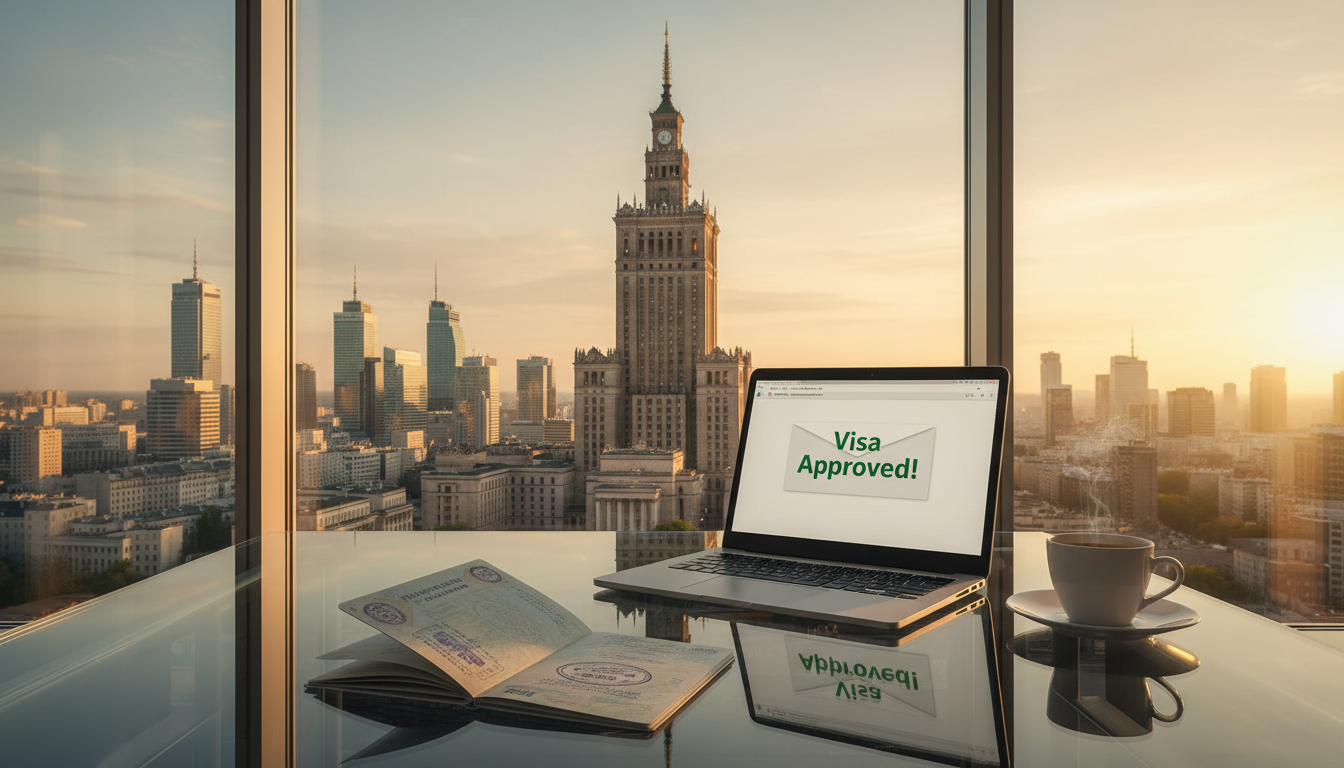
Securing a Polish work visa 2026 is rapidly becoming the top priority for international professionals and American expats looking to establish a lucrative career in the heart of Europe. As the European Union’s economy shifts, Poland has emerged as a powerhouse for technology, manufacturing, and business services, offering a streamlined gateway to the Schengen Area. Whether you are a software engineer, a skilled tradesperson, or an English teacher, understanding the nuances of the Polish immigration system is crucial for a successful relocation.
In this comprehensive guide, we will walk you through the exact steps, required documents, and hidden fast-track methods to get your permit approved without unnecessary delays. Poland is not just a destination; it is your launchpad for a European life.
Why Poland is the Best Entry Point to Europe in 2026
While countries like Germany and France tighten their bureaucratic grip, Poland remains refreshingly open to foreign talent. The cost of living in cities like Warsaw, Krakow, and Wroclaw is significantly lower than in Western Europe, yet the standard of living remains high. Furthermore, holding a Polish work visa allows you visa-free travel across the entire Schengen zone, making weekend trips to Paris or Rome a reality.
Types of Polish Work Permits Explained
Understanding which permit fits your situation is step one. The Polish government issues several types of work permits, but for most non-EU citizens, the following are the most relevant:
- Type A: The most common permit. Applicable if you are employed by a company with an office in Poland.
- Type B: Required if you are a board member of a company residing in Poland.
- Type C: For those sent to Poland by a foreign employer for more than 30 days in a calendar year to work at a subsidiary or branch.
- Type D (National Visa): This is the actual entry visa you receive based on the work permit, allowing you to stay for more than 90 days.
The Fast-Track Method: The “Trusted Profile” & Shortage Occupations
One of the biggest secrets to speeding up your Polish work visa 2026 application is leveraging the labor shortage lists. The Polish government prioritizes applications for professions that are in high demand. If your profession falls under IT, construction, or transportation (specifically truck driving), your employer can often bypass the “labor market test.”
What is the Labor Market Test?
Usually, an employer must prove that no Polish or EU citizen can fill the job vacancy before hiring a foreigner. However, for shortage occupations, this test is waived, shaving weeks off your processing time.
Step-by-Step Application Guide
Follow this roadmap to navigate the bureaucracy efficiently:
Step 1: Secure a Job Offer
You cannot apply for a work visa without a confirmed employer. Your employer initiates the process by applying for a work permit on your behalf at the local Voivodeship (Provincial) Office.
Step 2: The Work Permit Approval
Once the Voivode approves the request, your employer will send you the official Work Permit document. This is not your visa, but it is the golden ticket required to get one.
Step 3: Apply for the Type D Visa
With the work permit in hand, locate the nearest Polish Consulate or Embassy in your home country. You will need to register via the e-Konsulat system to book an appointment.
Step 4: Gather Your Documents
Failure to present a single document can result in immediate rejection. Ensure you have:
- A completed and signed National Visa Application Form.
- A valid passport (must be valid for at least 3 months after your planned departure from Poland).
- Biometric photos compliant with Schengen standards.
- Original Work Permit (provided by your employer).
- Proof of travel medical insurance (minimum coverage of €30,000).
- Flight itinerary (do not buy the ticket until the visa is approved).
- Proof of accommodation in Poland.
Costs and Processing Times in 2026
Budgeting for your move is essential. While Poland is affordable, the initial outlay can add up.
Visa Fees
For US citizens, the fees are generally reciprocal and reasonable, often ranging between $80 to $100 USD, though this is subject to change. The Work Permit fee paid by the employer is roughly 100 PLN (approx $25 USD).
Timeline
- Work Permit Issuance: 1 to 3 months (can be faster for shortage lists).
- Visa Processing: 15 calendar days generally, but can take up to 60 days in complex cases.
Transitioning to Permanent Residence (The Blue Card)
Once you have secured your Polish work visa 2026 and have arrived in Poland, your next goal should be the Temporary Residence Card (Karta Pobytu). This card replaces the visa and allows you to live and work in Poland for up to 3 years. For highly skilled workers, the EU Blue Card is an excellent option, offering a faster track to permanent residency and the ability to move to other EU countries later.
Common Pitfalls to Avoid
Many applicants fail because of simple errors. Ensure your health insurance policy is accepted by the Polish Ministry of Foreign Affairs. Many standard US travel insurance policies are rejected because they have high deductibles or exclude specific medical repatriations.
Additionally, ensure your employer is legit. “Ghost companies” selling work permits are a common scam. If you are asked to pay for the work permit application yourself, run. By law, the employer must cover the administrative cost of the permit request.
Final Thoughts: Preparing for the Move
Relocating to Poland is an exciting adventure that opens up the entire European continent to you. From the historic streets of Krakow to the modern skyscrapers of Warsaw, the opportunities are endless. However, the process of gathering documents, waiting for approvals, and uprooting your life can be mentally taxing.
While you focus on the logistics of your career move, do not neglect your personal well-being. For those seeking spiritual peace or mental wellness during this stressful transition, you can find helpful resources at Wazifa Hub to keep your mind balanced and focused on your goals.