
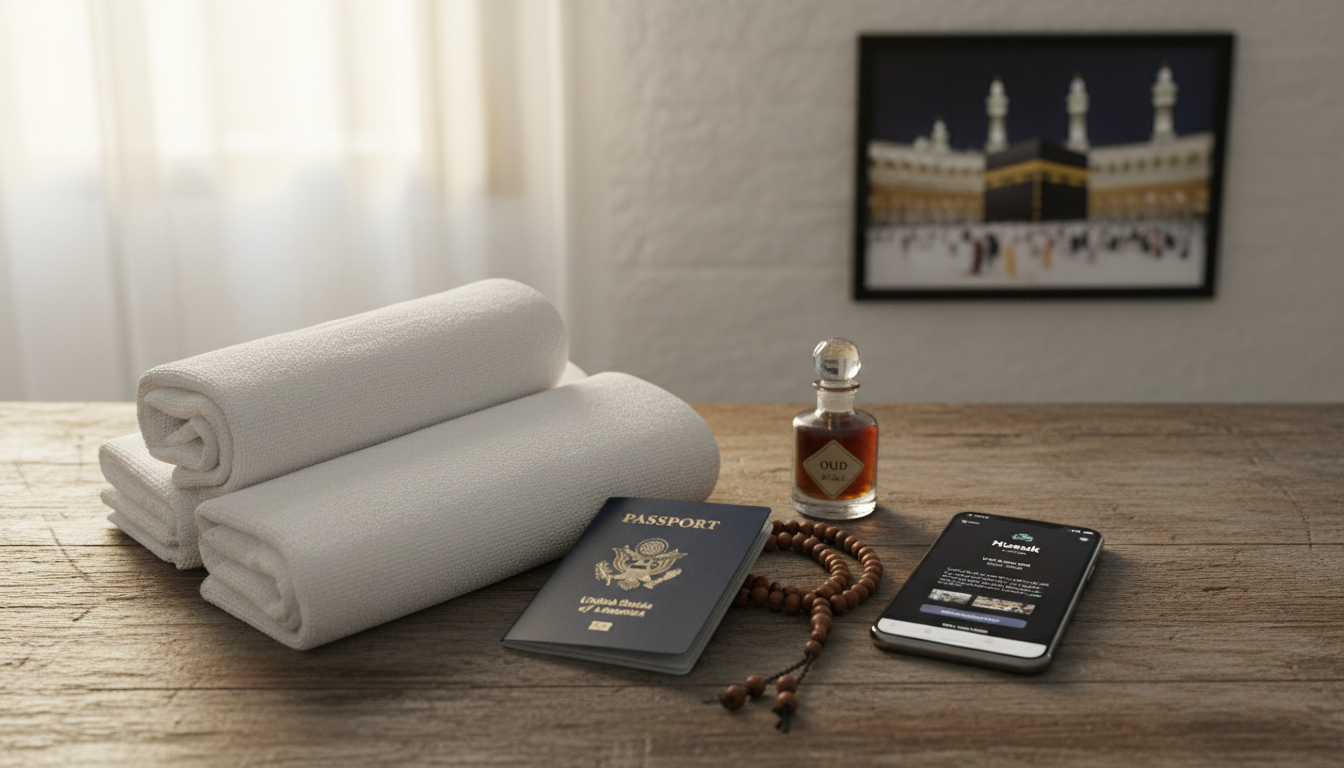
Planning your first Ramadan Umrah from USA is a transformative experience that combines profound spiritual rewards with the logistical challenge of international travel during peak season. Performing Umrah during the holy month of Ramadan is said to be equivalent in reward to performing Hajj with the Prophet (PBUH), making it a highly sought-after journey for American Muslims. However, the intense heat, massive crowds, and specific visa regulations require meticulous preparation. This guide covers everything from the latest visa documentation to a battle-tested packing list to ensure your pilgrimage is smooth and spiritually fulfilling.
1. Understanding Visa Requirements for US Citizens
Gone are the days when obtaining a visa for Saudi Arabia was a complex, months-long process. For US citizens, the process has been streamlined significantly, but choosing the right visa type is crucial for a hassle-free entry.
The Tourist eVisa vs. Umrah Visa
Most US citizens traveling for Ramadan Umrah from USA now opt for the Saudi Tourist eVisa. This multiple-entry visa is valid for one year and allows you to stay up to 90 days. It permits you to perform Umrah and visit all cities in Saudi Arabia.
- Validity: 1 Year (Multiple Entry).
- Cost: Approximately $120-$150 USD (including mandatory insurance).
- Processing Time: Often instant or within 24 hours.
Alternatively, there is the specific Umrah Visa, usually arranged by travel agents. However, the Tourist eVisa offers more flexibility for American travelers who might want to visit historical sites in AlUla or Jeddah.
The Nusuk App: Mandatory for Rawdah
Regardless of your visa type, you must download the Nusuk App. While you no longer need a permit to enter the Mataf (circumambulation area) in Makkah, booking a slot to pray in the Rawdah ash-Sharifah (Riaz ul Jannah) in Madinah is mandatory and strictly enforced. Slots during Ramadan fill up seconds after release, so register on the app before you leave the USA.
2. The Ultimate Packing List for Ramadan Umrah
Packing for Umrah requires balancing spiritual modesty with the harsh reality of Saudi Arabia’s desert climate. Here is what needs to go in your suitcase.
For Men: Ihram Essentials
- Ihram Towels: Pack two sets. One to wear, and a spare set in case the first gets soiled. Look for cotton or bamboo blends for breathability.
- Belt or Fanny Pack: A specialized Ihram belt is essential to hold your passport, money, and phone while in the state of Ihram.
- Unscented Toiletries: While in Ihram, you cannot use scented soaps or deodorants. Pack unscented Vaseline (for chafing), unscented soap, and unscented wet wipes.
For Women: Modesty and Comfort
- Abayas: Bring 3-4 lightweight, breathable Abayas. Black is standard, but other modest colors are acceptable. Avoid heavy synthetics; linen or high-quality crepe is best for the heat.
- Hijabs and Under-caps: Cotton under-caps prevent slipping, and breathable Hijabs are a must.
- Footwear: This is critical. You will walk miles daily. Bring broken-in, orthopedic walking shoes/sneakers for transit and city walking, and durable slip-on sandals for the Masjid.
General Essentials for Everyone
- Footwear Bag: A drawstring bag to carry your shoes while inside the Haram. Do not rely on the shoe racks; you may never find your shoes again in the Ramadan crowds.
- Power Adapter: Saudi Arabia generally uses Type G (British style) plugs. Bring a universal travel adapter.
- Portable Charger: Your phone is your GPS, Quran, and emergency link. A 10,000mAh power bank is necessary for long nights in the Masjid.
- Medication: Bring a supply of basic meds (painkillers, anti-diarrheals, throat lozenges) and any prescription medications in their original bottles.
3. Financial and Logistic Preparation
Before departing for your Ramadan Umrah from USA, ensure your finances are in order. Notify your US bank of your travel dates to prevent your cards from being blocked.
While credit cards are widely accepted in Makkah and Madinah hotels and malls, small vendors and taxi drivers often prefer cash (Saudi Riyals). It is advisable to exchange about $200 USD into Riyals at the airport upon arrival for immediate expenses.
Protecting Your Journey
International travel, especially in crowded environments, carries risks ranging from lost luggage to medical emergencies. It is highly recommended to secure comprehensive coverage. You can read more about safeguarding your trip in our guide on travel insurance essentials for international trips.
4. Managing Health and Energy During Ramadan
Fasting in Saudi Arabia involves long days and high temperatures. Hydration is key. Drink plenty of Zamzam water between Iftar and Suhoor. Avoid salty foods during Suhoor to prevent thirst. Furthermore, pace yourself. The crowds during Ramadan nights are intense; try to perform Tawaf immediately after sunrise or late morning when the heat is higher but the crowds are thinner.
Completing your Umrah is a physical and emotional milestone. As you return to your daily life in the USA, maintaining that spiritual high can be difficult. For those seeking continued spiritual peace and mental wellness practices after their journey, many find solace in resources like Wazifa Hub.