
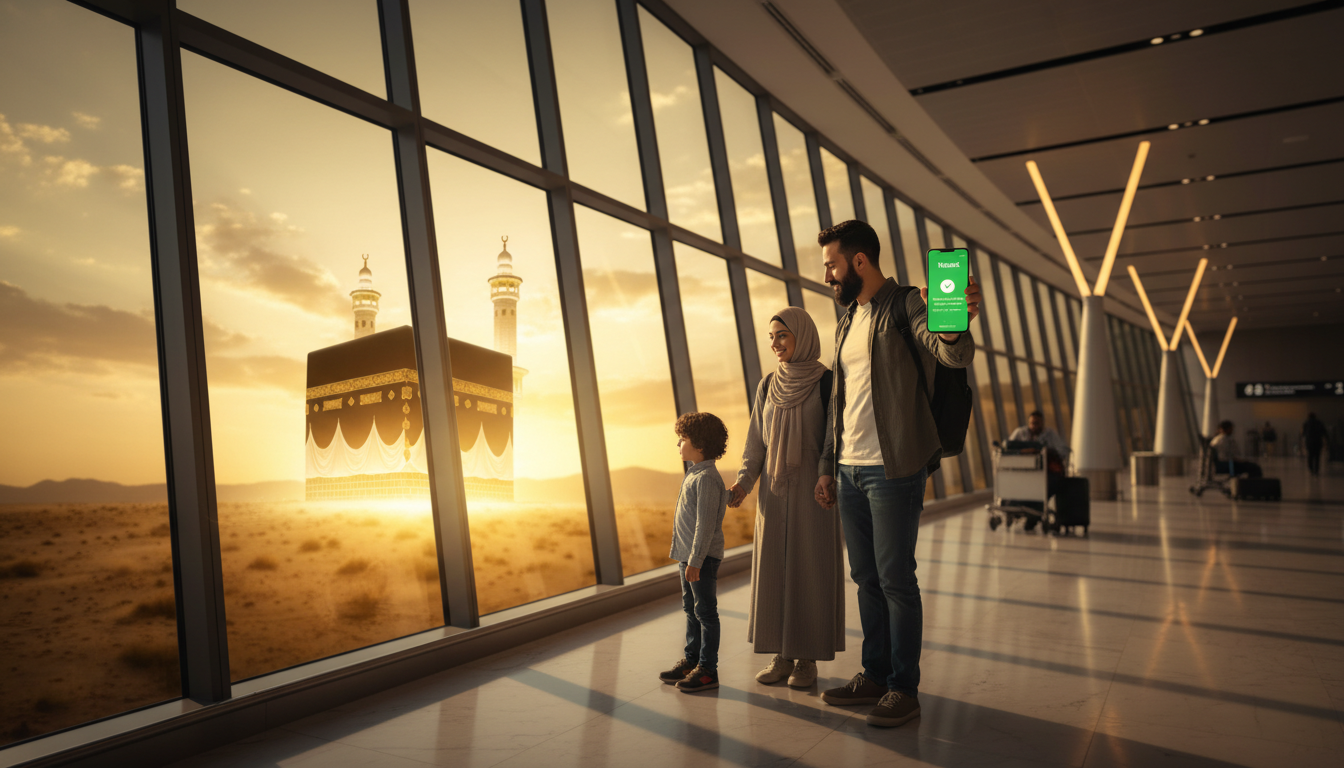
The implementation of the shocking new Ramzan 2026 visa rules for US pilgrims has created a wave of urgency among American Muslims planning their spiritual journey to the Kingdom of Saudi Arabia. As the Ministry of Hajj and Umrah continues to digitize and streamline the pilgrimage process, reliance on outdated information can lead to denied entry or canceled bookings. This guide breaks down exactly what United States passport holders need to know to navigate these changes seamlessly.
The Shift to Digital Sovereignty: Why 2026 is Different
For decades, the process of securing an Umrah visa was handled largely through third-party agents. However, the Saudi Vision 2030 initiative has accelerated the transition to a direct-to-consumer digital model. For Ramzan 2026, the emphasis is strictly on pre-arrival data verification.
The most significant change is the enforcement of advanced biometric data collection prior to visa issuance. Unlike previous years where biometrics could sometimes be handled upon arrival in Jeddah or Madinah, US pilgrims are now encouraged to complete this via the “Saudi Visa Bio” app before departure to avoid massive queues that are expected to plague airports during the peak Ramzan rush.
The Nusuk App: No Permit, No Umrah
While the e-visa grants you entry into Saudi Arabia, it does not guarantee you access to the Mataf (the circumambulation area around the Kaaba) during peak hours. The Nusuk app remains the central hub for booking Umrah slots, but the 2026 protocols have tightened significantly.
Key Changes to Nusuk for 2026:
- One-Time Umrah Permit: During the holy month of Ramzan, authorities are likely to strictly enforce a “one permit per pilgrim” rule to manage overcrowding. This means US pilgrims may only be able to perform one official Umrah.
- Geofencing Technology: The app now utilizes geofencing. You must be physically present in Makkah to activate your permit slot, preventing agents from hoarding slots remotely.
- Rawdah Slots: Booking a slot for the Rawdah in Masjid-e-Nabawi has become even more competitive. These slots open weekly and fill up within seconds.
Visa Categories: Tourist e-Visa vs. Umrah Visa
US citizens have the privilege of choosing between a Tourist e-Visa and a specific Umrah Visa. Understanding the distinction is vital for your 2026 itinerary.
1. The Tourist e-Visa (Multiple Entry)
This remains the most popular option for US travelers. It allows for multiple entries over a year and permits the holder to perform Umrah. However, during Ramzan 2026, holders of tourist visas may face restrictions on entering the central Haram area during peak prayer times compared to those on specific Umrah visas.
2. The Specific Umrah Visa
This is a single-entry visa often bundled with packages. The advantage for 2026 is that pilgrims on this visa type may receive priority processing at Hajj terminals and potentially better access to dedicated transport networks.
Mandatory Insurance and Health Protocols
One of the “shocking” elements of the new rules is the comprehensive nature of the mandatory insurance policy. The cost of the visa has been adjusted to include full coverage for COVID-19 related hospitalization (should variants arise), flight delays, and emergency medical repatriation.
It is crucial to understand that while the Saudi government provides basic coverage, it may not cover trip interruptions or lost baggage. For complete peace of mind, we strongly recommend supplementing this with private comprehensive travel insurance that covers high-value trip cancellations.
Accommodation and Logistics: The Price Surge
With the new visa rules making entry easier for millions, the demand for hotels in Makkah and Madinah has skyrocketed. For Ramzan 2026, “walk-in” bookings are essentially impossible. The new visa application actually asks for proof of accommodation for the duration of your stay.
If you are looking for a comfortable experience, you must book months in advance. The competition for luxury travel accommodations near the Haram is fierce, with prices for the last ten nights of Ramzan reaching unprecedented highs.
Checklist for US Pilgrims Before Booking
Before you commit to a flight or hotel, ensure you have ticked these boxes:
- Passport Validity: Must be valid for at least 6 months beyond your intended date of entry.
- Vaccination Records: Check the latest Ministry of Health requirements for Meningitis and Polio, which are often mandatory for pilgrims.
- Digital Wallet: Ensure your credit cards are travel-friendly and set up Apple Pay or Google Pay, as Saudi Arabia has moved almost entirely to contactless payments.
- female Travelers: As per recent rule changes, women over 45 do not require a Mahram, and increasingly, restrictions are relaxing for women under 45 traveling in groups, but always verify the latest specific advisories for solo female travelers.
Conclusion: Preparation is an Act of Worship
The Ramzan 2026 visa rules for US pilgrims are designed to ensure safety and order in what is expected to be one of the busiest seasons in history. While the digital requirements may feel overwhelming, they ultimately serve to streamline the experience. By preparing your documents early, securing your Nusuk permits, and understanding the new regulations, you ensure that your focus remains on worship rather than bureaucracy.
May your journey be easy and your prayers answered. For those seeking spiritual peace and mental wellness preparation before embarking on this holy journey, visit Wazifa Hub for guidance and spiritual resources.