
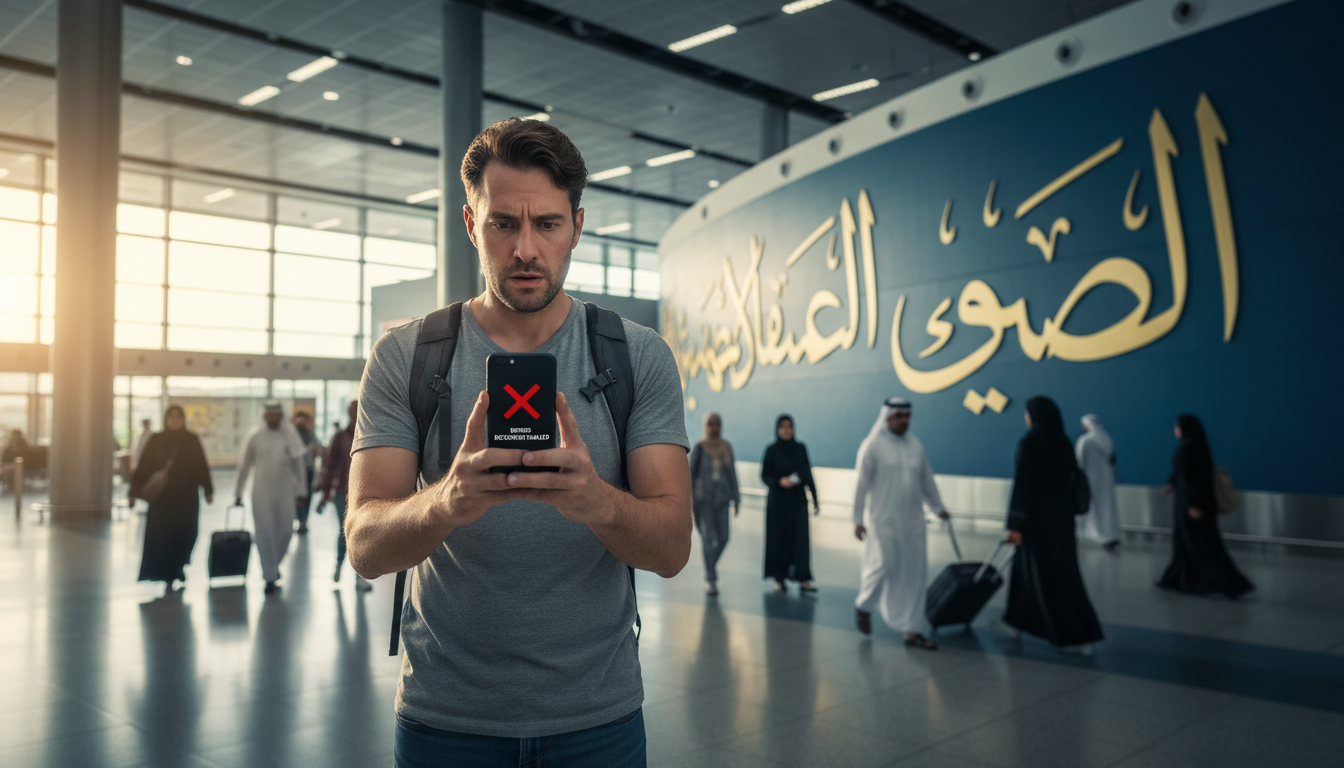
Applying for entry into the Kingdom can be seamless, but there are several critical Saudi Tourist Visa mistakes that Americans frequently make which lead to costly delays or outright rejection. As Saudi Arabia opens its doors to the world through its Vision 2030 initiative, the influx of American tourists has surged, yet many are caught off guard by the strict bureaucratic nuances of the application process. Whether you are traveling for leisure, to attend the Red Sea Film Festival, or to perform Umrah, understanding the specific requirements for US citizens is paramount to a stress-free journey.
The Evolution of Saudi Tourism for US Citizens
Gone are the days when visiting Saudi Arabia was restricted to business travelers and religious pilgrims. The introduction of the eVisa has revolutionized travel to the region. However, the ease of an online system often leads to complacency. Many travelers assume the process is as lenient as a standard visa-on-arrival, only to find themselves denied boarding at JFK, Dulles, or LAX. By avoiding the following errors, you ensure your Arabian adventure begins the moment you step on the plane, not after hours of interrogation at immigration.
1. Confusing the Tourist eVisa with the Umrah Visa
One of the most common misconceptions among Muslim Americans is the confusion regarding visa types. While the new Tourist eVisa does allow you to perform Umrah, it does not allow you to perform Hajj. Furthermore, specific “Umrah Visas” often come with restrictions on travel outside of Jeddah, Mecca, and Medina.
The mistake happens when travelers book specific religious tour packages that require a dedicated Umrah visa, but they apply for a Tourist eVisa instead, or vice versa. While the Tourist eVisa offers greater freedom to explore cities like Al Ula and Riyadh, ensure your tour operator accepts this visa type if you are traveling in a group. Mixing up these permissions can lead to administrative headaches upon arrival.
2. Ignoring the “6-Month Validity” Passport Rule
This is a classic travel blunder, but the Saudi authorities are particularly strict about it. Your US passport must be valid for at least six months from your date of entry into Saudi Arabia, not the date of application.
If your passport expires in five months and two weeks, the online system might technically let you submit the application, but border control officers are trained to flag this immediately. You will be denied entry and sent back to the US at your own expense. Always double-check the expiration date before logging onto the Visit Saudi portal.
3. Overlooking Mandatory Medical Insurance Protocols
When you apply for the Saudi eVisa, a mandatory medical insurance fee is included in the total cost. Many Americans make the mistake of thinking their domestic US health insurance (like Blue Cross or Aetna) covers them in the Kingdom. It usually does not.
Furthermore, while the visa includes basic government-mandated coverage, it is often insufficient for major emergencies or medical evacuation. Smart travelers supplement this with comprehensive third-party coverage. If you are planning high-risk activities like dune bashing or Red Sea diving, you need robust protection. For a detailed guide on securing the best policies, check our guide on comprehensive travel insurance to ensure you aren’t left with a massive hospital bill.
4. Uploading Poor Quality or Non-Compliant Photos
The automated system for the Saudi eVisa uses biometric recognition software. A shocking number of applications are rejected simply because the uploaded photo does not meet the strict dimensions (200×200 pixels) or file size (under 100KB).
- Background: Must be pure white. Off-white or gray will trigger a rejection.
- Expression: Neutral face. No smiling or frowning.
- Glasses: It is safer to remove glasses to avoid glare, which the AI interprets as an obstruction.
Americans often try to use selfies or cropped photos from social media. This is a guaranteed way to get rejected. Invest in a proper digital passport photo.
5. Data Mismatches: The “Middle Name” Trap
US passports often list full middle names, whereas many Americans are used to using initials or omitting them entirely on casual forms. When filling out the Saudi visa application, your name must match the machine-readable zone (MRZ) at the bottom of your passport page exactly.
If your passport says “John Quincy Smith” and you apply as “John Smith” or “John Q. Smith,” the system may flag a discrepancy. This mismatch can prevent you from printing your boarding pass, as the airline’s system verifies the visa data against the passport scan in real-time.
6. Disregarding Dual Citizenship Disclosure
If you hold dual citizenship (for example, US and Syrian, or US and Iranian), you must be very careful about which passport you use to apply. Americans with dual nationality from countries that do not have diplomatic relations or have complex relations with Saudi Arabia must apply using their US passport.
However, the mistake occurs when travelers enter the country. You must enter and exit on the same document. Do not attempt to show a different passport at the Saudi border control than the one used for the visa application. This triggers security alerts and can lead to detention for questioning.
7. Failing to Carry a Printed Copy
In our digital age, we rely heavily on smartphones. The Saudi eVisa is sent via email, and many Americans assume showing the PDF on their phone is sufficient. While this works 90% of the time, system outages at remote border posts or dead phone batteries can turn this into a nightmare.
Saudi immigration officials appreciate paper trails. Occasionally, their biometric scanners may be down, requiring manual entry of your visa number. Having a physical printout of your visa is not just a backup; it is a necessity for a smooth entry. Additionally, some airlines require a physical view of the document before allowing you to check in luggage.
Conclusion: Preparation is Key to Arabian Hospitality
Saudi Arabia offers a travel experience unlike any other, blending ancient history with futuristic ambition. By avoiding these common pitfalls—ranging from photo formatting to passport validity—you ensure that your focus remains on the breathtaking sights of the Kingdom rather than administrative red tape. Double-check your documents, secure the right insurance, and respect the procedural nuances.
Travel planning, especially for new destinations like KSA, can be mentally exhausting. If you are feeling overwhelmed by the process and need to find a moment of calm and spiritual peace before your journey, consider visiting Wazifa Hub for resources on mental wellness and spiritual grounding.