
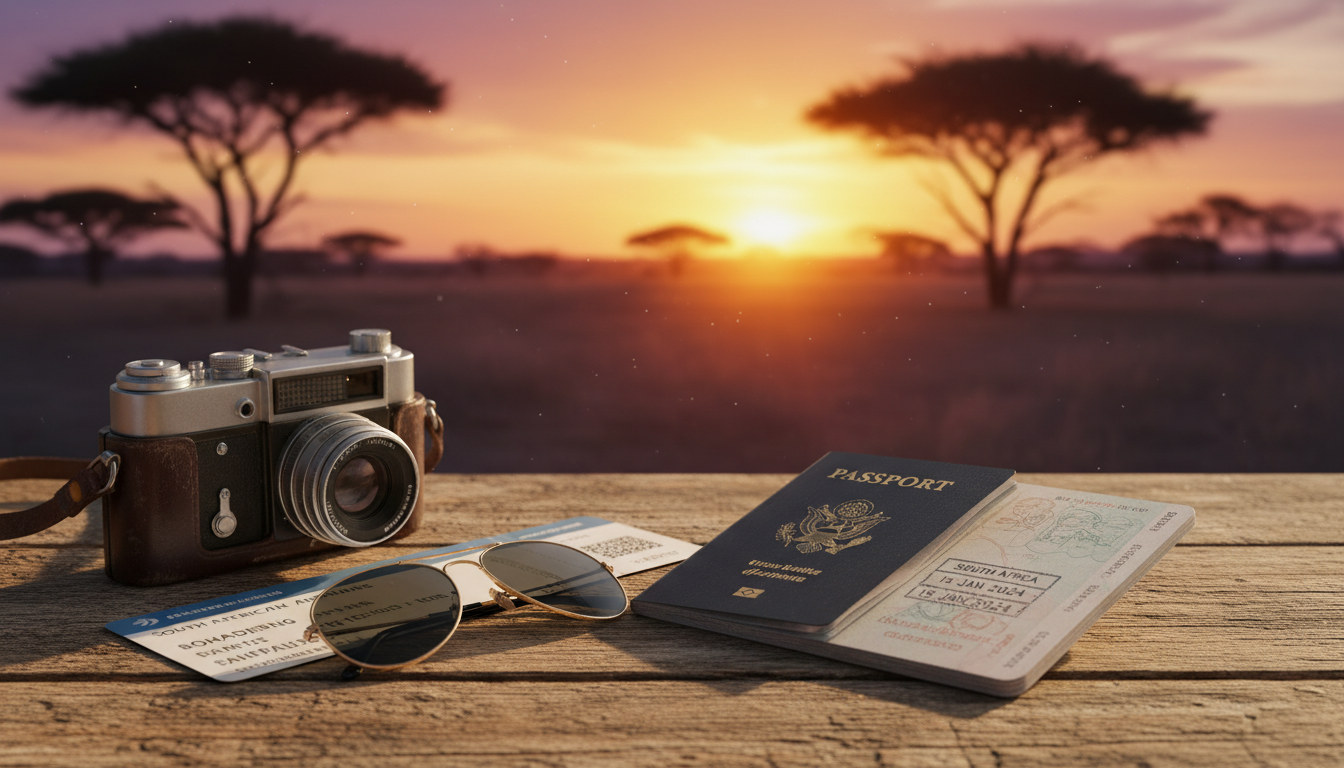
If you are dreaming of sipping Pinotage in Stellenbosch or spotting the Big Five in Kruger National Park, this South Africa Visa Guide 2026 is your essential roadmap to a hassle-free entry. As South Africa continues to modernize its immigration infrastructure, understanding the specific requirements for US passport holders is critical to ensuring your dream vacation doesn’t end at the customs desk. While South Africa remains one of the most accessible destinations for Americans, subtle changes in regulations and the exciting introduction of remote work permits have changed the landscape for 2026.
Do US Citizens Need a Visa for South Africa in 2026?
For the vast majority of American travelers, the news is excellent. As of the 2026 regulations, US citizens traveling for tourism or business purposes for a period of 90 days or less are generally visa-exempt. However, “visa-exempt” does not mean “document-free.”
Upon arrival at O.R. Tambo International (JNB) or Cape Town International (CPT), immigration officers will issue a visitor’s permit (stamp) directly into your passport. To secure this without friction, you must meet specific bureaucratic criteria that trip up many unprepared travelers.
The “Two Blank Pages” Rule
This is the most common reason US travelers are denied boarding flights to South Africa. Your passport must have at least two completely blank visa pages side-by-side. Endorsement pages do not count. Airlines are strictly fined for non-compliance, so they will check this before you even leave the USA.
The Game Changer: South Africa Digital Nomad Visa
For those looking to stay longer than three months, 2026 sees the full implementation of the South Africa Remote Work Visitor Visa. This is perfect for US citizens who want to trade their home office for a view of Table Mountain.
If you are planning to work remotely while traveling, relying on a standard tourist stamp is technically illegal. The Digital Nomad Visa allows you to stay for up to one year (renewable). To qualify, you generally need to prove:
- Employment by a foreign company (non-South African).
- An annual income exceeding approximately $36,000 (subject to exchange rates).
- Proof of accommodation and health insurance.
For more details on how to leverage remote work permits globally, check out our comprehensive guide on digital nomad visa requirements to see how South Africa compares to Europe and Asia.
Step-by-Step Entry Checklist for US Citizens
Whether you are visiting for a week of luxury travel or a three-month backpacking tour, ensure you have these documents in your carry-on luggage:
1. Proof of Return or Onward Travel
Immigration officers may ask to see a confirmed flight ticket leaving South Africa before the 90-day period expires. Without this, you may be suspected of trying to overstay.
2. Yellow Fever Certificate (Conditional)
If you are flying directly from the USA (via Atlanta, Newark, or Washington DC), you do not need this. However, if your flight transits through a Yellow Fever belt country (like Kenya or Brazil) and you spend more than 12 hours in transit, you must present a valid vaccination certificate.
3. Proof of Sufficient Funds
While rarely checked for short stays, officers reserve the right to ask for bank statements proving you can support yourself during your stay.
4. Traveling with Minors
South Africa has relaxed its once-draconian rules regarding birth certificates for minors. However, it is still highly recommended to carry an Unabridged Birth Certificate for any traveling children, especially if only one parent is present. In cases of single-parent travel, a notarized letter of consent from the absent parent is essential.
Safety and Medical Insurance
Healthcare in South Africa’s private sector is world-class, but it requires upfront payment or comprehensive insurance. Public hospitals are generally not recommended for tourists. Ensure your travel insurance covers medical evacuation, especially if you plan on going on safari in remote areas like Sabi Sands or Phinda.
Furthermore, while South Africa is a stunning destination, situational awareness is key. Stick to Uber or private transfers rather than walking at night in major cities like Johannesburg or Durban.
Processing Times and Fees
- Tourist Stamp (90 Days): Free of charge, processed instantly upon arrival.
- Digital Nomad Visa: Fees vary roughly between $100-$150. Processing time at South African consulates in the US (NY, LA, DC, Chicago) can take 4 to 8 weeks. Apply well in advance.
Conclusion
South Africa offers an experience unlike any other, blending the wild majesty of the bush with cosmopolitan city life. By following this South Africa Visa Guide 2026, ensuring your passport has blank pages, and securing the right insurance, you are setting the stage for the trip of a lifetime.
Travel preparation can sometimes be stressful. If you are feeling anxious about your journey or seeking spiritual peace before your big move, consider visiting Wazifa Hub for resources on mental wellness and spiritual tranquility.