
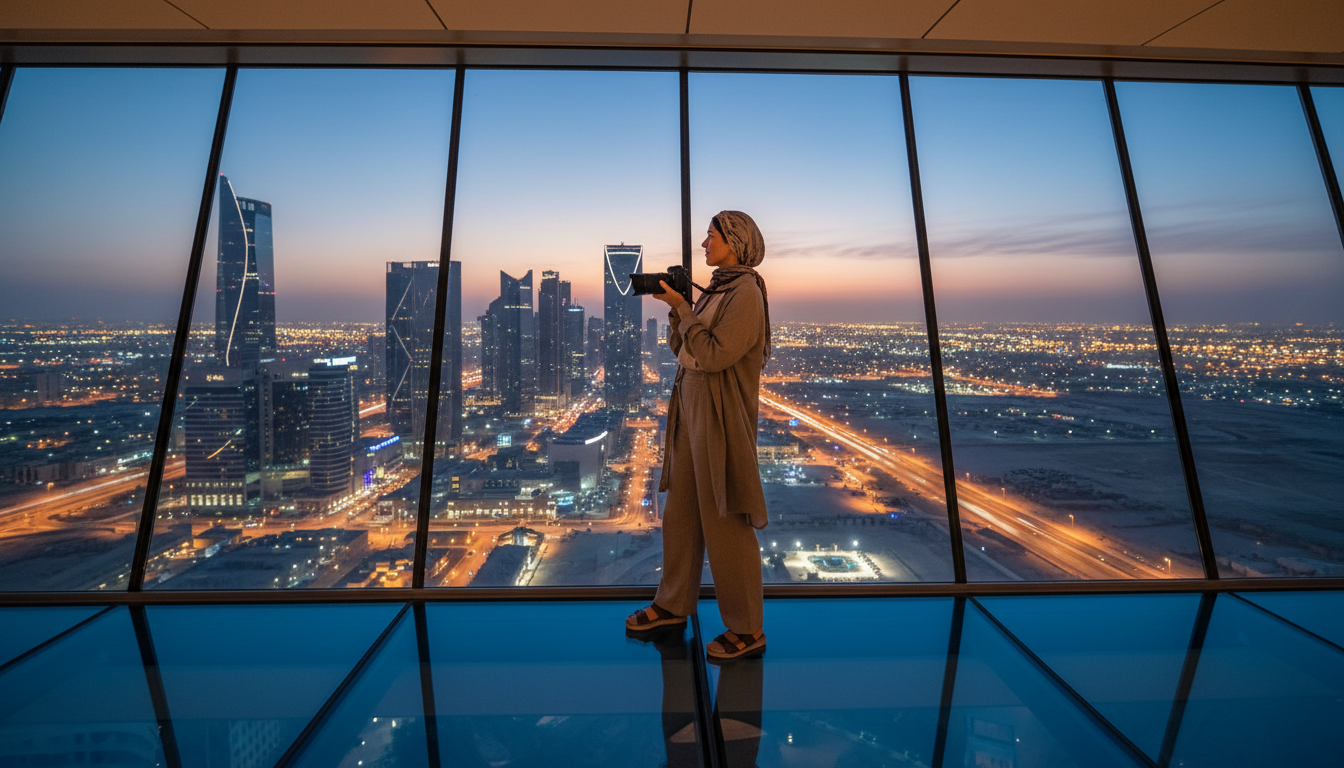
Planning a trip to the Kingdom? You aren’t alone. With the borders finally flung open, the number of US citizens visiting Saudi Arabia has skyrocketed. But let’s be real—this isn’t a weekend trip to Cabo. Saudi Arabia is culturally distinct, rapidly changing, and filled with nuances that can confuse even the most seasoned American traveler. My first trip there was a mix of awe and “I wish I knew that sooner” moments. To save you the culture shock, I’ve rounded up the seven absolute non-negotiables you need to know before you board that flight.
1. The Visa Process is Easier Than You Think (But Don’t Wing It)
Gone are the days when you needed a complicated business invitation to enter. For Americans, the process is now surprisingly streamlined, but you still need to be prepared.
US citizens are eligible for the Saudi eVisa, which is valid for one year and allows for multiple entries (up to 90 days per visit). You can apply online through the official portal before you travel. While “Visa on Arrival” is technically available for US passport holders at major airports like Riyadh (RUH) and Jeddah (JED), I strongly advise against relying on it. Lines can be long, and systems can go down. Get the eVisa beforehand for peace of mind.
2. The Dress Code: Modesty is Key (But Abayas are Optional)
This is the #1 question I get. “Do I have to wear a burqa?” The short answer is no. The laws have relaxed significantly.
For Women
Foreign women are no longer required to wear the abaya (the long black robe) or cover their hair with a hijab. However, the rule of thumb is “modesty.” Shoulders and knees must be covered. Think loose linen trousers, maxi skirts, and long-sleeve shirts. Avoid tight-fitting gym wear or cleavage-baring tops in public.
For Men
Guys, leave the short-shorts at home. While you might get away with knee-length shorts in modern areas of Riyadh or private beach clubs, wearing long pants is the respectful standard in public spaces, malls, and restaurants.
3. Alcohol is Strictly Prohibited (Yes, Even for You)
Unlike Dubai or Doha where you can grab a beer at a hotel bar, Saudi Arabia remains a dry country for tourists. There is absolutely no alcohol available for purchase—not in duty-free, not in 5-star hotels, and definitely not in restaurants.
Do not attempt to bring alcohol into the country. Luggage is X-rayed upon arrival, and smuggling is a serious offense. Embrace the local “Saudi Champagne” (apple juice mixed with sparkling water and fruit) or the booming specialty coffee culture instead.
4. Public Displays of Affection (PDA) are a No-Go
Saudi culture is deeply private. While you will see men holding hands (a sign of friendship), romantic PDA between couples is frowned upon. Holding hands with your spouse is generally tolerated in modern tourist hubs, but kissing or hugging in public is culturally insensitive and can draw unwanted attention. Keep it professional and polite while you are out and about.
5. Everything Stops for Prayer (Sort Of)
Life in Saudi Arabia revolves around the five daily prayers. Historically, every shop, restaurant, and gas station would shut down completely for 20-30 minutes during prayer times. In 2025, this is changing. In major cities like Riyadh and Jeddah, many businesses now remain open, and supermarkets often stay active. However, in smaller towns or souks, you may still find yourself waiting outside a locked door until prayer is finished. Download an app like “Muslim Pro” to know the prayer times so you aren’t caught hungry right before lunch service pauses.
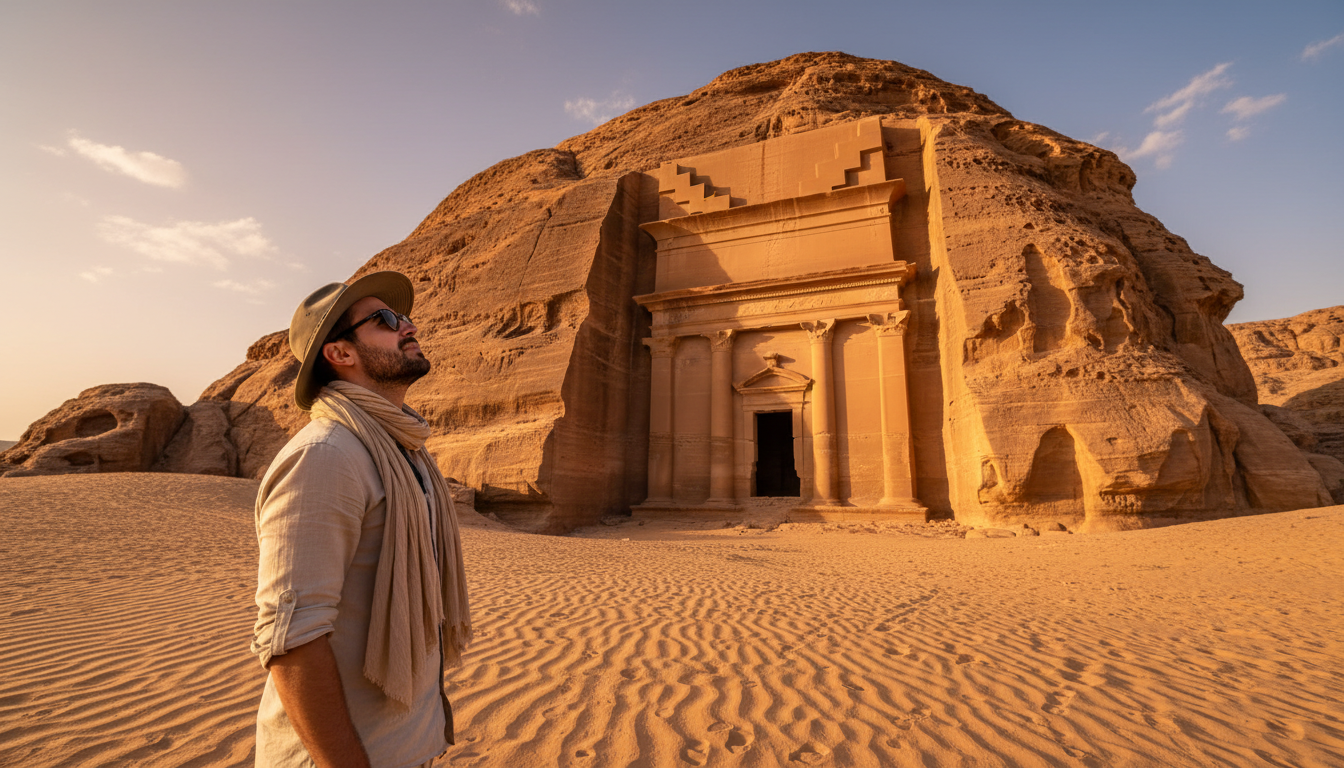
6. Money Matters: Cash is King, but Apple Pay is Queen
The currency is the Saudi Riyal (SAR), which is pegged to the US Dollar at a fixed rate of roughly 1 USD = 3.75 SAR. This makes mental math incredibly easy.
Surprisingly, Saudi Arabia is almost entirely cashless. Even small coffee trucks in the middle of the desert often accept Apple Pay. However, you should always carry about 200-300 SAR in cash for small tips, local souk vendors, or in case a card machine fails.
7. It is Safer Than the News Suggests
If your perception of Saudi Arabia comes solely from 24-hour news cycles, you might expect a dangerous war zone. The reality for tourists is quite different. Street crime is exceptionally low compared to major US cities. You can walk in downtown Riyadh at night with expensive camera gear and feel completely safe. The hospitality is overwhelming; don’t be surprised if locals invite you for coffee or help you if you look lost.
Quick Trip Summary for US Travelers
| Category | Details |
|---|---|
| ✈️ Best Time to Visit | November to February (Temps: 60°F – 75°F) |
| 💰 Currency | Saudi Riyal (SAR). Fixed Peg: $1 USD = 3.75 SAR |
| 🔌 Plugs | Type G (British Style). You need an adapter. |
| 🚗 Transport App | Uber and Careem are the most reliable. |
| 💸 Average Meal Cost | $10-$15 (Budget) / $50+ (Fine Dining) |
Saudi Arabia is an adventure that defies expectations. By respecting the culture and following these tips, you’re set for a journey through ancient history and futuristic vision. Safe travels!
